Introduction: Technology in the Modern Era
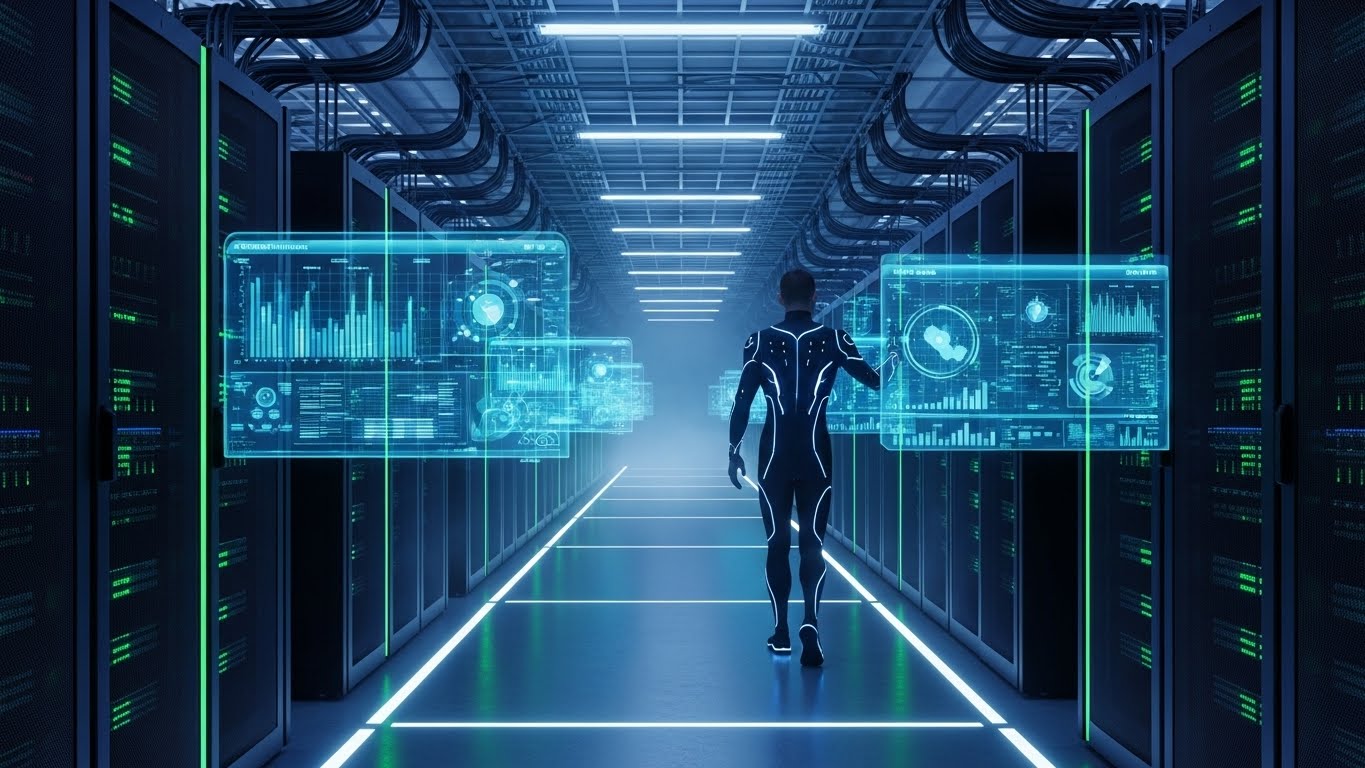
Technology is no longer just a tool; it is the driving force behind modern society. From smartphones and smart homes to artificial intelligence and cloud computing, technology has revolutionized how we live, work, and interact. It influences education, healthcare, communication, and entertainment, making it an essential part of daily life.
The Evolution of Technology
Technology has evolved dramatically over centuries. Early inventions like the wheel and the printing press laid the groundwork for human progress. The industrial revolution introduced machinery that transformed production and transportation. The digital era brought computers, the internet, and mobile devices, connecting the world in unprecedented ways. Today, emerging technologies such as artificial intelligence, robotics, and blockchain are reshaping industries and pushing boundaries of innovation.
Technology and Communication
One of the most significant impacts of technology is in communication. Social media, video calls, and instant messaging enable instant connectivity across the globe. Businesses use technology for collaboration and remote work, while individuals can maintain personal relationships regardless of distance. Technology has made communication faster, easier, and more interactive than ever before.
Technology in Daily Life
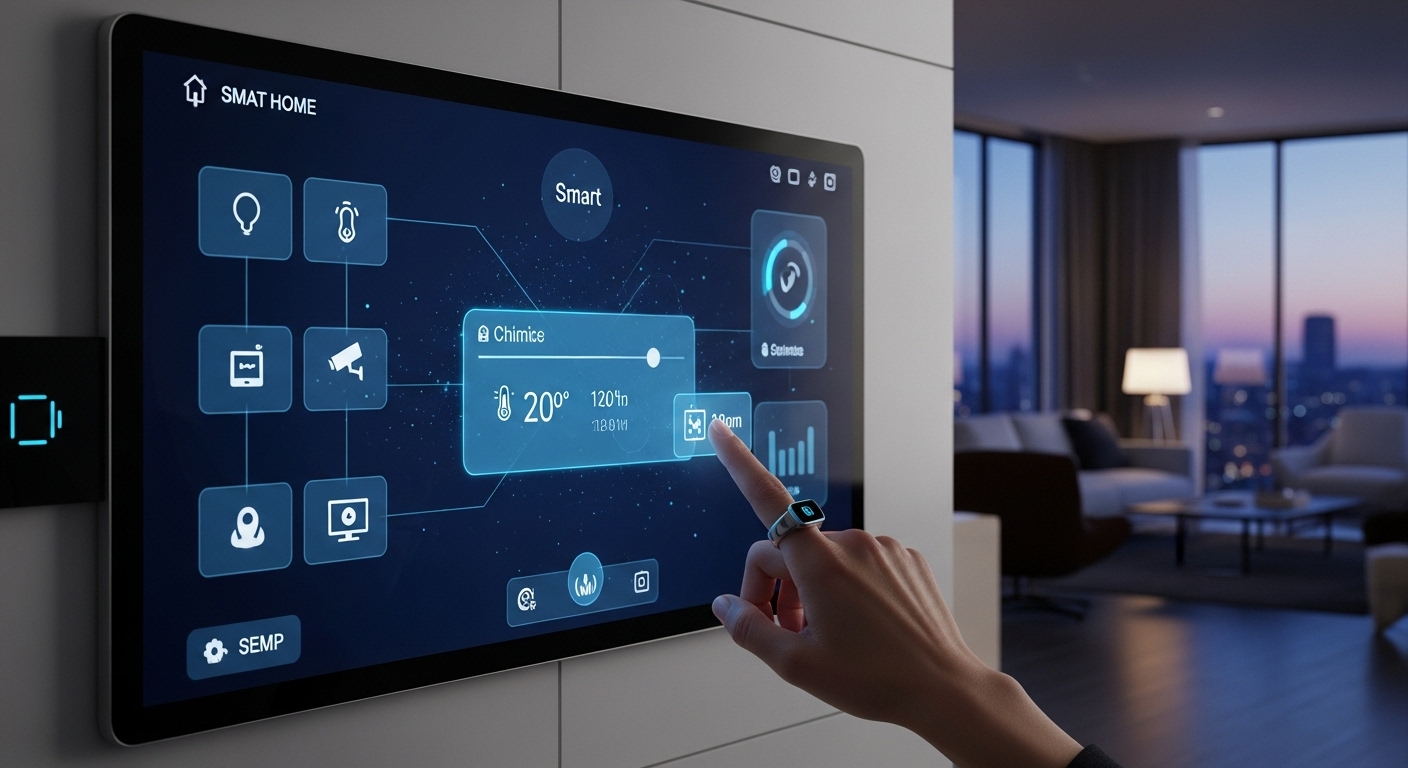
Modern life is intertwined with technology. Smart home devices control lighting, temperature, and security systems. Wearable devices monitor health and fitness, while online platforms simplify shopping, banking, and entertainment. In education, digital tools provide interactive learning experiences, and telemedicine allows for remote healthcare consultations. Technology enhances convenience, efficiency, and quality of life in countless ways.
Innovation Across Industries
Technology drives innovation across various industries. Artificial intelligence and machine learning optimize business operations and decision-making. Robotics streamline manufacturing and logistics. Renewable energy technologies promote sustainability, and virtual reality enhances entertainment experiences. These innovations allow industries to grow, adapt, and respond to changing global demands efficiently.
Challenges and Ethical Considerations
Despite its benefits, technology also presents challenges. Cybersecurity threats, data privacy concerns, and digital addiction are pressing issues. Ethical dilemmas surrounding artificial intelligence, automation, and surveillance require careful consideration. Responsible development and usage of technology are crucial to ensuring it benefits humanity without compromising safety or fairness.
The Future of Technology
The future promises even more groundbreaking developments. Autonomous vehicles, quantum computing, biotechnology, and smart cities are on the horizon. Technology will continue to redefine work, education, healthcare, and entertainment, offering new opportunities and solutions to global challenges. Embracing innovation responsibly is key to shaping a better, more connected world.
Conclusion: Technology as a Transformative Force
Technology has transformed every aspect of human life, from communication to industry and daily routines. Its potential to drive progress, solve problems, and enhance experiences is unparalleled. As innovation continues, technology will remain at the forefront of shaping our future, creating a world that is smarter, faster, and more interconnected than ever before.