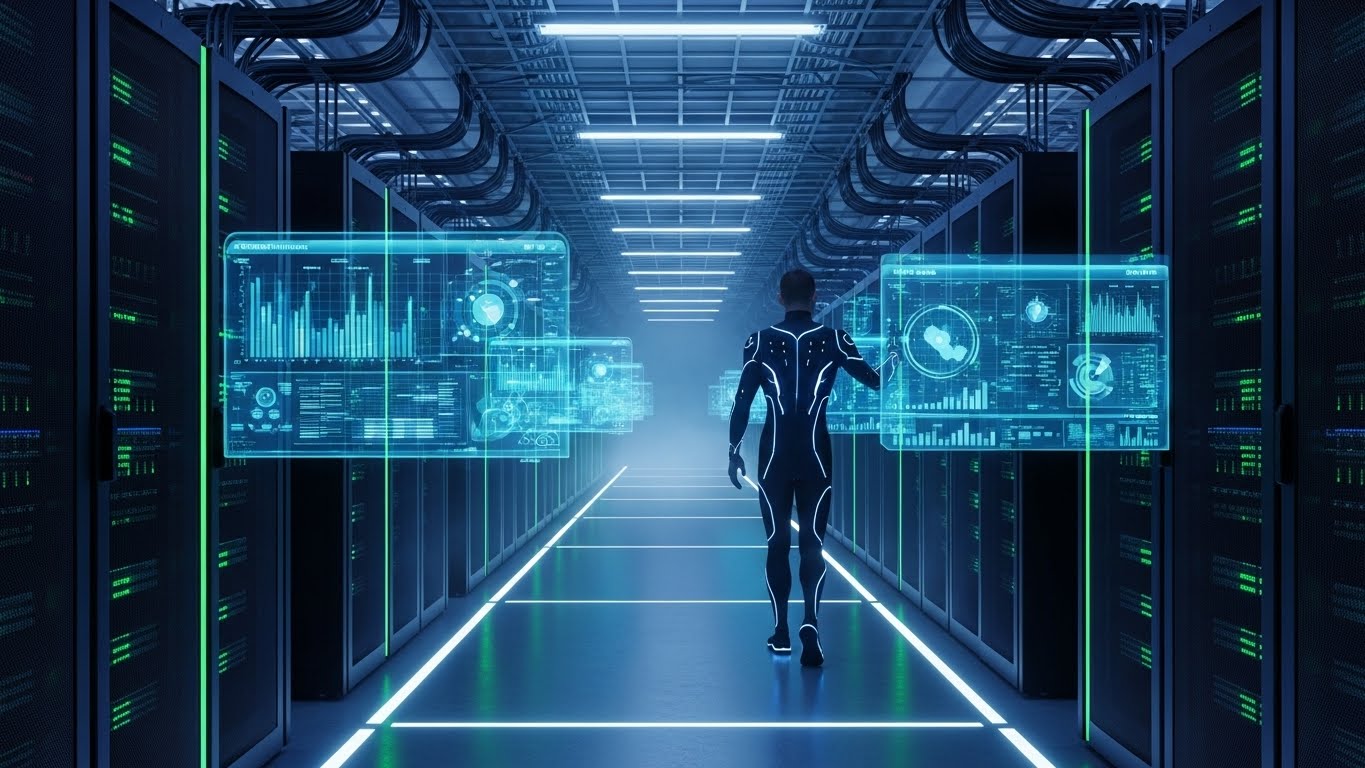

Introduction: Technology in Our Daily Lives
Technology has become an inseparable part of human existence. From the moment we wake up to the time we go to bed, technology influences our lives in ways that were unimaginable a few decades ago. Smartphones, smart homes, and cloud computing have transformed how we communicate, work, and entertain ourselves. Technology is no longer just a tool; it has become an integral part of the way we think, solve problems, and interact with the world. With rapid advancements happening every day, understanding the trends that will shape the future is essential for both individuals and businesses looking to stay ahead.
Artificial Intelligence: Redefining Possibilities
Artificial intelligence (AI) is arguably the most transformative technology of our era. It is no longer limited to research labs or science fiction stories; AI is embedded in everyday applications, from virtual assistants like voice-activated devices to advanced data analytics that drive business decisions. AI systems are now capable of learning patterns, predicting outcomes, and automating tasks, reducing human error and increasing efficiency. Industries like healthcare, finance, transportation, and education are already benefiting from AI-powered solutions. In healthcare, AI algorithms analyze medical images faster and with higher accuracy than human doctors, while in finance, AI predicts market trends and detects fraud. The potential of AI is limitless, but it also raises ethical questions about privacy, job displacement, and decision-making autonomy.
Quantum Computing: The Next Frontier
Quantum computing is poised to revolutionize the computing landscape. Unlike traditional computers that use bits to represent data as either 0 or 1, quantum computers use qubits, which can represent 0, 1, or both simultaneously through the principle of superposition. This allows quantum machines to perform complex calculations at speeds far beyond the capabilities of classical computers. Industries such as cryptography, pharmaceuticals, and climate modeling stand to benefit immensely from quantum computing. For example, quantum computers could simulate molecular structures for drug development in a fraction of the time it currently takes. While the technology is still in its early stages, investments by governments and tech companies indicate that quantum computing will play a critical role in solving problems that were once considered unsolvable.
Internet of Things: Connecting the World
The Internet of Things (IoT) is transforming the way we live by creating interconnected ecosystems of devices. From smart refrigerators that track grocery inventory to sensors in agriculture that optimize irrigation, IoT is enabling data-driven decision-making across multiple sectors. Smart cities are emerging with IoT-enabled traffic systems that reduce congestion, energy-efficient buildings, and real-time pollution monitoring. In the industrial sector, IoT devices monitor equipment performance and predict maintenance needs, reducing downtime and operational costs. As IoT devices continue to proliferate, the challenge will be ensuring robust security protocols to protect sensitive data from cyber threats.
5G Technology: Speeding Up Connectivity
The rollout of 5G networks is not just about faster internet speeds; it is about unlocking a new era of connected technologies. With ultra-low latency and high bandwidth, 5G will enable innovations like autonomous vehicles, real-time augmented reality experiences, and remote surgical procedures. Industries that rely on real-time data, such as transportation, healthcare, and entertainment, will experience transformative changes. For instance, autonomous vehicles require instantaneous data exchange between sensors, servers, and other vehicles to operate safely—a requirement made possible by 5G networks. As infrastructure expands, 5G will become a foundation for emerging technologies, driving innovation and creating opportunities for new business models.
Blockchain: Beyond Cryptocurrencies
Blockchain technology is often associated with cryptocurrencies, but its applications extend far beyond digital money. At its core, blockchain is a decentralized ledger system that ensures transparency, security, and immutability of data. Industries such as supply chain management, healthcare, and finance are leveraging blockchain to improve efficiency and reduce fraud. In supply chains, blockchain tracks products from production to delivery, ensuring authenticity and reducing counterfeiting. In healthcare, patient records stored on a blockchain can be accessed securely by authorized personnel while maintaining privacy. As businesses look for ways to enhance trust and accountability, blockchain technology is becoming an essential tool for digital transformation.
Augmented Reality and Virtual Reality: Bridging the Physical and Digital Worlds
Augmented reality (AR) and virtual reality (VR) are changing the way we experience digital content. AR overlays digital information onto the real world, while VR immerses users in a completely virtual environment. These technologies have applications across gaming, education, healthcare, and retail. In education, AR can bring textbooks to life, helping students visualize complex concepts. In healthcare, VR simulations are used for surgical training, improving skills without putting patients at risk. Retailers are using AR to allow customers to visualize products in their homes before making a purchase, enhancing the shopping experience. As hardware becomes more affordable and software more sophisticated, AR and VR will increasingly blend our physical and digital realities.
Cybersecurity: Protecting the Digital Frontier
As technology advances, so do the threats that come with it. Cybersecurity has become a critical concern for individuals, businesses, and governments. Cyberattacks are growing in sophistication, targeting sensitive data, financial assets, and critical infrastructure. Emerging technologies like AI and machine learning are being used to detect and prevent cyber threats in real-time. Organizations are investing in multi-layered security strategies, including encryption, behavioral analytics, and zero-trust frameworks. Individuals must also be vigilant, adopting secure practices such as strong passwords, two-factor authentication, and regular software updates. In an increasingly connected world, robust cybersecurity measures are essential to maintaining trust and protecting digital assets.
Sustainable Technology: Innovating for a Greener Future
Technology is not only advancing the way we live and work but also providing solutions to environmental challenges. Renewable energy sources like solar, wind, and hydroelectric power are becoming more efficient and cost-effective thanks to technological innovation. Smart grids optimize energy distribution, while electric vehicles reduce reliance on fossil fuels. Additionally, technology-driven solutions such as precision agriculture, water management systems, and eco-friendly manufacturing processes are helping combat climate change. Sustainable technology is not just a trend; it is a necessity. The future of innovation will be defined by the ability to balance progress with environmental stewardship.
The Role of Ethics in Technology
As technology becomes more integrated into every aspect of life, ethical considerations are becoming increasingly important. Issues such as data privacy, AI bias, and the societal impact of automation require careful thought and regulation. Developers and businesses must prioritize responsible innovation, ensuring that technology benefits humanity without compromising safety, fairness, or equity. Public discourse and policy-making will play a vital role in shaping how technology evolves, ensuring that progress aligns with societal values. Ethical technology is not just about compliance; it is about fostering trust, accountability, and long-term sustainability.
Conclusion: Embracing the Technological Revolution
The pace of technological change shows no signs of slowing. From AI and quantum computing to IoT and sustainable innovations, the future is full of possibilities. Embracing these technologies requires not only understanding their potential but also navigating the challenges they bring. Businesses, governments, and individuals must work together to ensure that technology serves humanity, creating opportunities for growth, innovation, and a better quality of life. The revolution is already underway, and those who adapt and innovate will shape the world of tomorrow. Technology is not just a tool; it is the canvas upon which the future is being painted.