Introduction
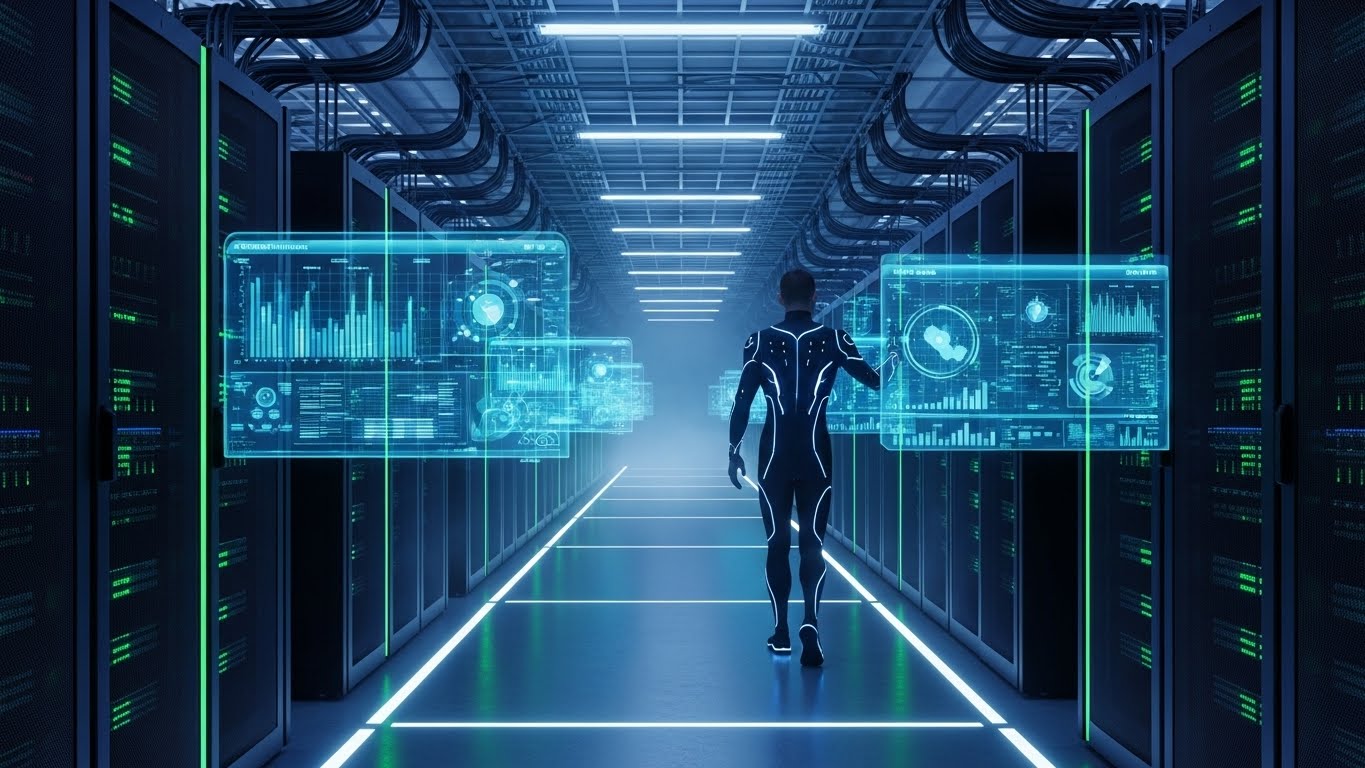
The rapid evolution of technology has fundamentally transformed every aspect of our daily lives. From the way we communicate to how we work, learn, and entertain ourselves, technological advancements have reshaped the fabric of society. As we stand at the intersection of the digital and physical worlds, the question on everyone’s mind is: where are we headed?
In this blog post, we’ll explore some of the key technological innovations that are not only changing our present but are set to define the future. With a focus on emerging technologies like Artificial Intelligence (AI), Quantum Computing, 5G networks, and the Internet of Things (IoT), we’ll delve into how these innovations are revolutionizing industries and influencing the future of humanity.
Artificial Intelligence: The Power of Intelligent Machines
Artificial Intelligence (AI) has long been the stuff of science fiction, but it’s now a reality that is influencing everything from healthcare to entertainment. AI encompasses various technologies that allow machines to mimic human intelligence, including learning, reasoning, and problem-solving. One of the most remarkable aspects of AI is its ability to learn and improve through machine learning algorithms. These systems process vast amounts of data, recognize patterns, and make decisions with little to no human intervention.
In industries like healthcare, AI is revolutionizing diagnostics and treatment. Machine learning models can analyze medical imaging to detect diseases like cancer, identify patterns in patient data to predict health outcomes, and even suggest personalized treatment plans. In finance, AI is being used for fraud detection, risk management, and personalized investment strategies.
Perhaps the most exciting application of AI is its potential to power autonomous systems. Self-driving cars are already being tested by companies like Tesla and Waymo, and in the future, AI could completely reshape transportation. AI-powered assistants like Siri, Alexa, and Google Assistant have also become an integral part of our lives, making tasks like setting reminders, controlling smart devices, and providing instant information easier than ever.
Despite its impressive capabilities, AI is still in its early stages, and there are significant ethical considerations surrounding its use. As AI becomes more sophisticated, the potential for job displacement and the ethical implications of machine decision-making will need to be carefully managed.
Quantum Computing: A Leap into the Future of Computing
Quantum computing represents another groundbreaking advancement that could change the world as we know it. Unlike classical computers that process information in binary using bits (0s and 1s), quantum computers use quantum bits, or qubits. These qubits can exist in multiple states at once, thanks to the principle of superposition. This allows quantum computers to perform certain calculations at speeds far beyond the capabilities of even the most powerful classical computers.
Currently, quantum computing is still in its infancy, but its potential to revolutionize industries like cryptography, drug discovery, and materials science is immense. For instance, in the field of cryptography, quantum computers could potentially crack encryption methods that are currently considered secure. On the other hand, quantum computers could also be used to create unbreakable encryption methods, safeguarding sensitive data in the future.
In drug discovery, quantum computing’s ability to simulate complex molecular interactions could lead to the development of new treatments for diseases that have eluded traditional methods. Imagine a world where researchers can quickly model the interactions of thousands of molecules to find the most effective treatments for conditions like cancer or Alzheimer’s.
While quantum computers are still far from mainstream use, companies like IBM, Google, and Microsoft are already making significant strides in developing quantum computing systems. As this technology matures, it could lead to breakthroughs that are hard to imagine today.
The Internet of Things (IoT): Connecting the World Around Us
The Internet of Things (IoT) is another transformative technology that is rapidly gaining momentum. IoT refers to the network of physical devices, vehicles, appliances, and other objects that are embedded with sensors and connected to the internet. These devices collect and exchange data, making it possible to monitor and control them remotely.
In our homes, IoT devices are already transforming the way we live. Smart thermostats like Nest, smart speakers like Amazon Echo, and wearable devices like Fitbit have made it easier to control our environment, track our health, and stay connected. IoT is also transforming industries like manufacturing and agriculture. In factories, IoT sensors are used to monitor equipment in real-time, improving efficiency and reducing downtime. In agriculture, IoT devices help farmers monitor soil conditions, track livestock, and optimize irrigation, leading to better yields and more sustainable practices.
As more devices become connected, the potential for IoT to change the world is immense. Smart cities, powered by IoT, could improve everything from traffic flow to energy consumption. These cities would use real-time data to manage resources more efficiently, reduce waste, and enhance the quality of life for residents. However, the growing network of connected devices also raises concerns about data privacy and security, which will need to be addressed as the IoT ecosystem continues to expand.
5G: The Backbone of a Connected Future
5G is the fifth generation of wireless technology, and it promises to be a game-changer. With download speeds up to 100 times faster than 4G, 5G will enable more reliable and faster internet connections, supporting the growing demand for data-intensive applications. This technology is expected to revolutionize industries such as telecommunications, entertainment, healthcare, and even transportation.
For example, 5G will be crucial in enabling the full potential of IoT. With 5G’s low latency and high-speed capabilities, connected devices will be able to communicate with each other in real-time, allowing for faster decision-making and improved automation. In the realm of autonomous vehicles, 5G will ensure that cars can communicate with each other and with infrastructure (such as traffic lights and road signs) to navigate safely and efficiently.
In healthcare, 5G will enable telemedicine to thrive by providing high-quality video consultations and remote surgeries. Surgeons will be able to perform operations remotely with real-time feedback, making healthcare more accessible to people in underserved areas.
Entertainment and gaming will also benefit from 5G. With faster speeds and lower latency, gamers will be able to experience seamless, high-quality online gaming without interruptions. Streaming services will be able to deliver 4K and even 8K content without buffering, enhancing the viewing experience.
The rollout of 5G is still in its early stages, but as the infrastructure expands, we will begin to see its transformative impact on industries and everyday life.
Blockchain: Decentralizing the Digital World
Blockchain technology has gained significant attention in recent years, primarily due to the rise of cryptocurrencies like Bitcoin. However, blockchain has much broader implications beyond digital currencies. At its core, blockchain is a decentralized, distributed ledger that records transactions in a secure and transparent manner. Each “block” contains a record of transactions, and once it’s added to the blockchain, it cannot be altered, making the system tamper-resistant.
In the financial sector, blockchain is already being used to facilitate secure and efficient cross-border payments. It’s also being explored as a way to streamline supply chains by providing a transparent, immutable record of goods as they move from producer to consumer. This can help reduce fraud, increase trust, and improve traceability in industries like food production, pharmaceuticals, and luxury goods.
Blockchain is also making waves in areas like voting systems and identity verification. With its tamper-resistant features, blockchain could offer a more secure way to conduct online voting, reducing the risk of fraud and manipulation. Similarly, blockchain could be used to create decentralized identity systems, giving individuals more control over their personal data and reducing the risk of identity theft.
The Role of Technology in Sustainability
As the world faces increasing environmental challenges, technology is playing a crucial role in driving sustainability. Innovations in renewable energy, electric vehicles, and smart grid systems are helping reduce carbon emissions and improve energy efficiency.
Solar power and wind energy are becoming more affordable and efficient, while advancements in battery technology are making it possible to store renewable energy for later use. Electric vehicles (EVs) are also becoming more mainstream, with improvements in battery life and charging infrastructure making them a viable alternative to traditional gasoline-powered cars.
Technology is also playing a role in addressing climate change by enabling more sustainable practices in agriculture, manufacturing, and construction. IoT sensors can monitor environmental conditions, track resource usage, and optimize processes to reduce waste and energy consumption.
As we look to the future, technology will be key to creating a more sustainable world. By leveraging innovations in energy, transportation, and resource management, we can move toward a more sustainable and environmentally responsible future.
Conclusion
Technology is transforming the world in ways that were once unimaginable. From artificial intelligence and quantum computing to the rise of 5G and blockchain, the digital revolution is reshaping industries, economies, and societies. While these innovations hold tremendous potential, they also raise important ethical, social, and environmental considerations.
As we look toward the future, it’s clear that technology will continue to play an essential role in addressing global challenges and improving the quality of life. The key to ensuring a positive impact will be to harness these advancements responsibly, ensuring that they benefit everyone and create a more equitable, sustainable, and connected world.
The digital revolution is just beginning, and the possibilities are limitless. What comes next will define the future, and we’re only scratching the surface of what technology can achieve.