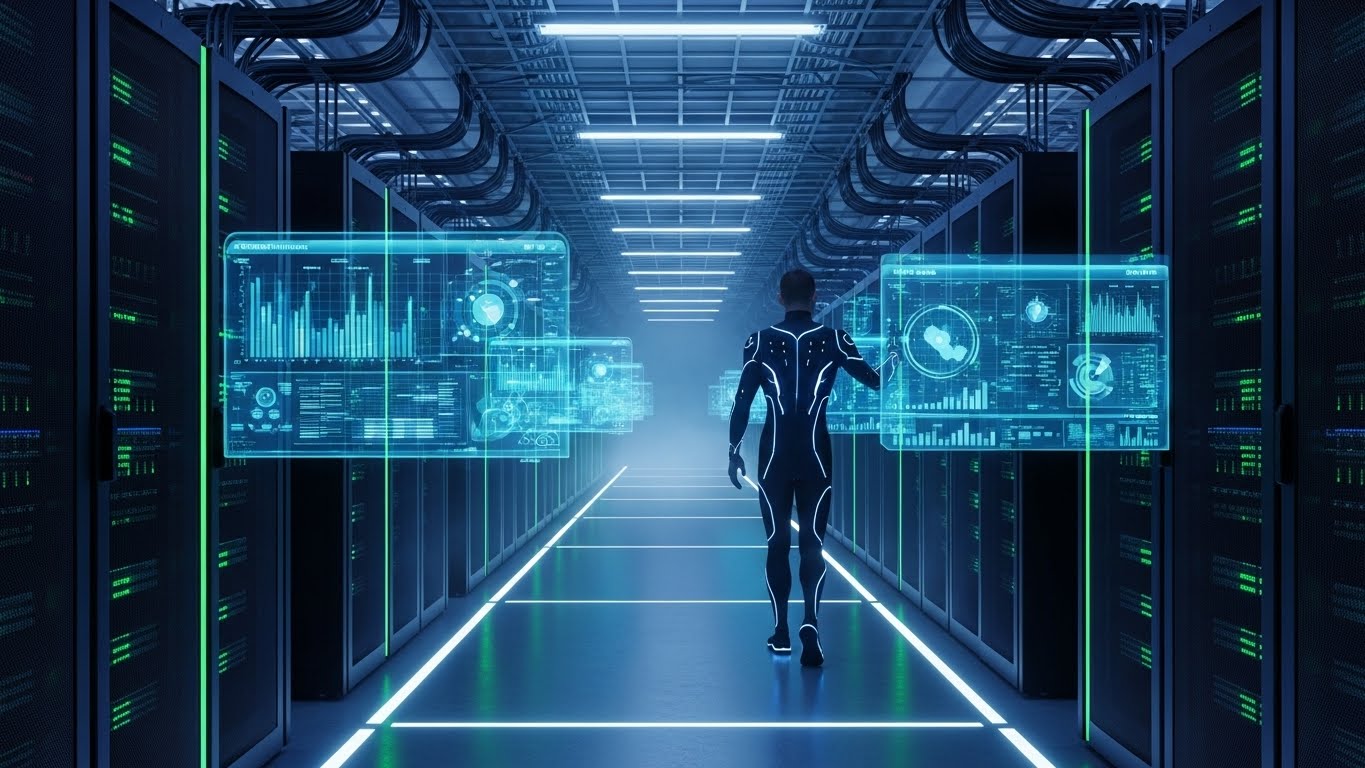

Technology is advancing at an astonishing rate, transforming nearly every aspect of our lives. From artificial intelligence to breakthroughs in renewable energy, the next wave of tech innovations is set to revolutionize industries and change how we interact with the world around us. In this blog, we’ll explore some of the most exciting trends in tech, how they’re shaping our future, and the possibilities they bring.
The Rise of Artificial Intelligence and Machine Learning
Artificial Intelligence (AI) and Machine Learning (ML) are no longer just buzzwords—they are the driving forces behind many technological innovations. AI systems are now capable of performing tasks that were once thought to be reserved for humans, such as natural language processing, image recognition, and decision-making. From voice assistants like Siri and Alexa to complex AI-driven algorithms used in healthcare and finance, the potential for AI to reshape industries is limitless.
Machine Learning, a subset of AI, is also seeing rapid growth. ML allows computers to learn from data and improve over time without explicit programming. This technology is being applied across various sectors, from personalized recommendations on streaming platforms to predictive analytics used in businesses to make data-driven decisions. As these technologies evolve, they will continue to enhance automation, increase efficiency, and open up new possibilities for innovation.
5G Networks: Connecting the World Faster Than Ever
The rollout of 5G networks is one of the most anticipated technological advancements in recent years. With promises of lightning-fast download speeds, ultra-low latency, and the ability to support more connected devices, 5G will transform industries like healthcare, transportation, and entertainment. Imagine being able to download an entire movie in a matter of seconds or stream high-quality, real-time data to enable smart cities and autonomous vehicles.
One of the most significant impacts of 5G is its potential to revolutionize the Internet of Things (IoT). With more devices than ever connected to the internet, 5G will provide the bandwidth and speed necessary to support a vast network of smart devices, ranging from household appliances to industrial machines. This means that everything from your refrigerator to your car could communicate with each other, making our lives more efficient and interconnected.
Quantum Computing: Unlocking Unsolvable Problems
Quantum computing is a game-changing technology that has the potential to revolutionize fields such as cryptography, materials science, and drug discovery. Unlike classical computers, which process information in binary (0s and 1s), quantum computers use quantum bits or qubits, which can exist in multiple states at once. This property allows quantum computers to solve complex problems much faster than traditional computers.
While quantum computing is still in its infancy, its potential applications are staggering. For example, quantum computers could simulate molecular interactions in real time, leading to breakthroughs in new medicines and materials. They could also provide unprecedented security in digital communications by creating nearly impossible-to-hack encryption systems. As researchers continue to develop this technology, we may soon see quantum computing become a reality, solving problems that are currently beyond the reach of even the most powerful supercomputers.
Blockchain: Redefining Trust in the Digital Age
Blockchain technology has gained significant attention in recent years, primarily due to its association with cryptocurrencies like Bitcoin. However, its applications go far beyond digital currencies. At its core, blockchain is a decentralized and secure way of recording transactions across a network of computers. Each “block” of data is linked to the previous one, creating a chain of information that is tamper-resistant and transparent.
Beyond cryptocurrencies, blockchain is being explored for use in a wide range of industries. In supply chain management, for example, blockchain can provide real-time tracking of products from manufacture to delivery, ensuring authenticity and reducing fraud. In healthcare, blockchain can enable secure sharing of medical records between institutions, improving patient care while maintaining privacy. With its potential to transform sectors ranging from finance to government, blockchain is poised to redefine how we handle data and transactions.
The Impact of Virtual and Augmented Reality
Virtual reality (VR) and augmented reality (AR) are no longer confined to gaming. These immersive technologies are making their way into various industries, providing new ways to experience and interact with the world. VR creates fully immersive digital environments that users can explore and interact with, while AR overlays digital information onto the real world, enhancing our physical environment with virtual elements.
In healthcare, VR is being used for medical training, allowing doctors to practice surgeries in a risk-free, virtual setting. AR is being used for remote assistance, where technicians can see digital overlays on physical objects to assist in repairs or maintenance. In education, VR and AR are offering new ways for students to engage with learning material, providing virtual field trips and interactive experiences that go beyond traditional textbooks. As these technologies continue to evolve, they promise to change how we learn, work, and play.
Sustainability and Green Tech: Building a Greener Future
As concerns about climate change grow, technology is playing a crucial role in developing sustainable solutions. Green technologies, such as solar energy, wind power, and electric vehicles (EVs), are becoming more efficient and affordable, helping reduce carbon footprints and transition toward cleaner energy sources. Innovations in battery storage, like solid-state batteries, are also improving the efficiency and accessibility of renewable energy.
In addition to energy solutions, technology is being used to tackle waste management, water conservation, and sustainable agriculture. Smart grids allow for more efficient energy distribution, while IoT sensors are used to monitor and optimize water usage in agriculture. As technology continues to advance, we can expect even more breakthroughs that contribute to environmental sustainability, helping us combat climate change and create a greener future.
The Future of Work: Automation and Remote Technologies
Technology is transforming the workplace in profound ways. Automation, powered by AI and robotics, is reshaping industries by streamlining processes and reducing the need for manual labor. In manufacturing, robots are performing tasks that were once done by humans, allowing businesses to improve efficiency and reduce costs. In sectors like customer service, AI-powered chatbots are handling inquiries and providing support, freeing up employees to focus on more complex tasks.
The rise of remote work technologies is another significant change. Cloud computing, video conferencing tools, and project management software have made it easier for teams to collaborate and stay connected regardless of location. As more businesses adopt hybrid or fully remote models, technology will continue to play a key role in enabling seamless communication, productivity, and innovation across industries.
Conclusion: The Endless Possibilities Ahead
The future of technology is filled with endless possibilities. From AI and quantum computing to blockchain and green tech, innovations are shaping the world in exciting and transformative ways. These technologies have the potential to solve some of society’s most pressing challenges, from climate change to global connectivity. As we continue to embrace new advancements, it’s important to consider both the opportunities and challenges they present.
The next decade promises to bring even more groundbreaking innovations that will change the way we live, work, and interact with the world. As we move forward into an increasingly tech-driven future, one thing is certain: the possibilities are limitless, and the journey has only just begun.