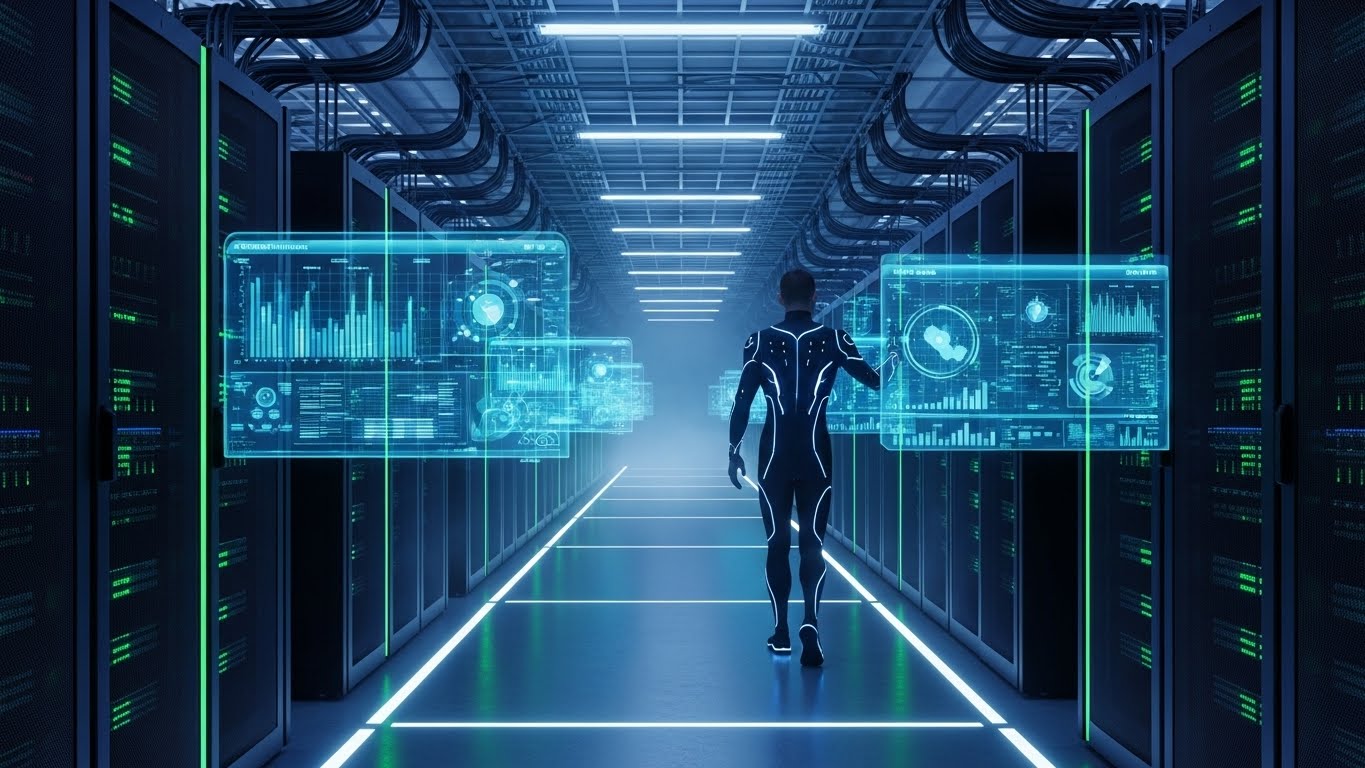
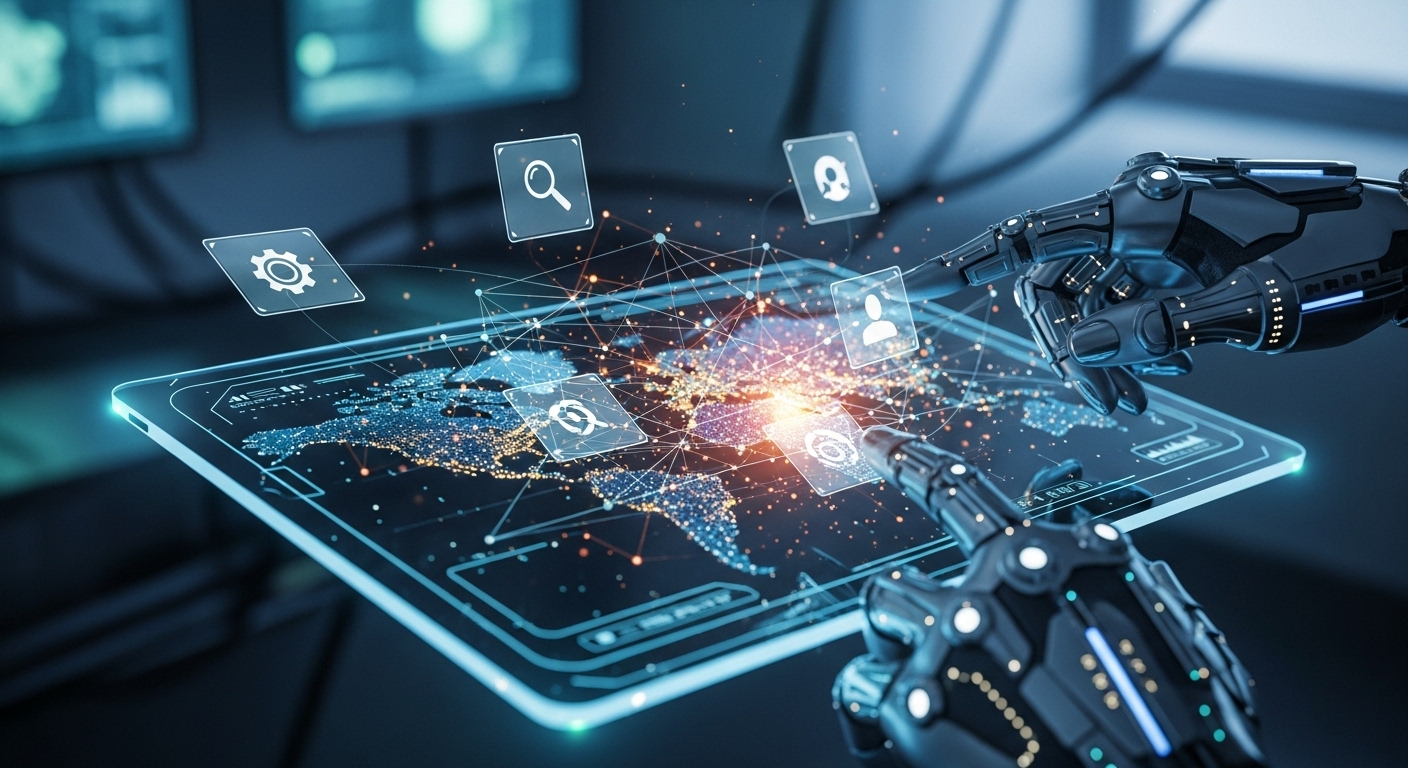
The rapid evolution of technology has begun to reshape every aspect of our lives, from how we communicate to how we work, learn, and even think. Today, technological breakthroughs are no longer reserved for the distant future but are actively shaping the world around us. Whether it’s the proliferation of Artificial Intelligence, the growth of the Internet of Things, or the development of quantum computing, we’re witnessing a transformation that promises to redefine the way we live in the years to come.
Artificial Intelligence: A Leap Toward Intelligent Systems
Artificial Intelligence (AI) is no longer a futuristic concept, but a transformative force that is already changing the way businesses and individuals interact with the world. AI’s ability to process vast amounts of data, identify patterns, and make decisions without human intervention is revolutionizing industries such as healthcare, retail, and entertainment. AI-driven systems are already diagnosing diseases, recommending products, and even helping us navigate traffic in real time.
In the near future, we’ll see AI push beyond the boundaries of current applications. AI could provide personalized education, automate administrative tasks, and assist with more complex human decision-making. However, as AI continues to evolve, concerns about privacy, data security, and the potential for job displacement will need to be addressed.
The Internet of Things: Creating Smarter Environments
The Internet of Things (IoT) refers to the network of interconnected devices that communicate with each other, sharing data to create smarter and more efficient systems. From smart home devices like thermostats and refrigerators to wearable health monitors and industrial sensors, IoT is becoming an integral part of our daily lives. These connected devices are designed to enhance convenience, reduce energy consumption, and improve overall quality of life.
Looking forward, IoT will extend its reach far beyond homes and businesses. Smart cities are set to become a reality, with interconnected infrastructure that can optimize traffic flow, reduce energy use, and improve public safety. As IoT grows, its impact will be felt in virtually every aspect of our lives, from transportation to environmental sustainability.
Quantum Computing: Redefining the Limits of Processing Power
Quantum computing is an emerging field that promises to radically change how we solve complex problems. Unlike traditional computers, which process information in binary, quantum computers use quantum bits (qubits) that can exist in multiple states at once. This ability allows quantum computers to solve certain types of problems exponentially faster than classical computers.
While quantum computing is still in its infancy, it has the potential to revolutionize areas like cryptography, artificial intelligence, and drug discovery. Researchers are working on making quantum computers more stable and practical for widespread use. When that happens, it could unlock new scientific discoveries and solve problems that were once thought unsolvable.
Blockchain Technology: More Than Just Cryptocurrencies
Blockchain is best known for its role in enabling cryptocurrencies like Bitcoin and Ethereum, but its potential stretches far beyond digital currencies. At its core, blockchain is a decentralized ledger system that provides secure, transparent, and tamper-proof records of transactions. This technology is being explored for use in a variety of industries, from finance to healthcare, and even voting systems.
The key benefit of blockchain is its ability to provide transparency and security without the need for a trusted intermediary. For example, in supply chain management, blockchain can help track products from production to delivery, ensuring that consumers get exactly what they’ve paid for. As blockchain technology matures, we’re likely to see it disrupt industries by offering new ways to handle data securely and transparently.
Robotics: Transforming Industries and Our Everyday Lives
Robotics has advanced significantly in recent years, with robots now capable of performing complex tasks across various sectors. In manufacturing, robots are automating routine tasks, leading to more efficient production lines. In healthcare, surgical robots are providing precision that can save lives, while in agriculture, robots are helping farmers monitor crops and optimize yields.
Looking ahead, robotics will continue to revolutionize industries and improve daily life. We can expect to see more robots in homes, assisting with everything from cleaning to elderly care. As technology improves, robots will become more intelligent and adaptable, capable of learning from their surroundings and assisting humans in increasingly complex ways.
5G Connectivity: Accelerating the Digital Future
5G is the next generation of wireless connectivity, and it promises to bring significant improvements over current 4G networks. With faster speeds, lower latency, and higher capacity, 5G will enable new technologies and applications that were previously not possible. For instance, 5G will make autonomous vehicles more reliable by enabling near-instantaneous communication between cars and infrastructure.
The impact of 5G will be felt in almost every area of technology, from gaming to healthcare. It will support the growth of IoT, allowing for more devices to be connected at once, and will provide the bandwidth needed for the widespread adoption of augmented reality (AR) and virtual reality (VR). With 5G, we’re entering an era of ultra-fast, seamless connectivity that will accelerate the development of new technologies.
Ethical Considerations: Balancing Innovation with Responsibility
While technology has the potential to improve lives and solve global challenges, it also raises ethical questions that must be addressed. As AI, IoT, and other advanced technologies become more integrated into society, concerns about data privacy, security, and fairness become increasingly important.
For example, AI systems often rely on large datasets, which can contain biases that affect decision-making. In order to ensure fairness, it’s critical that AI algorithms are transparent and regularly audited. Additionally, as automation becomes more prevalent, there will be significant challenges in retraining workers and addressing the potential for job loss. Policymakers, businesses, and technology developers must work together to ensure that innovation benefits everyone, without compromising ethical standards.
Conclusion: Embracing the Future of Technology
The future of technology is filled with exciting possibilities. From artificial intelligence to quantum computing, blockchain, and robotics, these innovations are not just shaping the future—they are creating it. As these technologies continue to evolve, they will open up new opportunities, enhance our lives, and solve some of the most pressing challenges facing humanity today.
However, with great power comes great responsibility. As we push the boundaries of what technology can achieve, we must also consider the social, ethical, and environmental impacts of these innovations. By doing so, we can ensure that the future of technology is not just advanced, but also equitable and sustainable for generations to come.