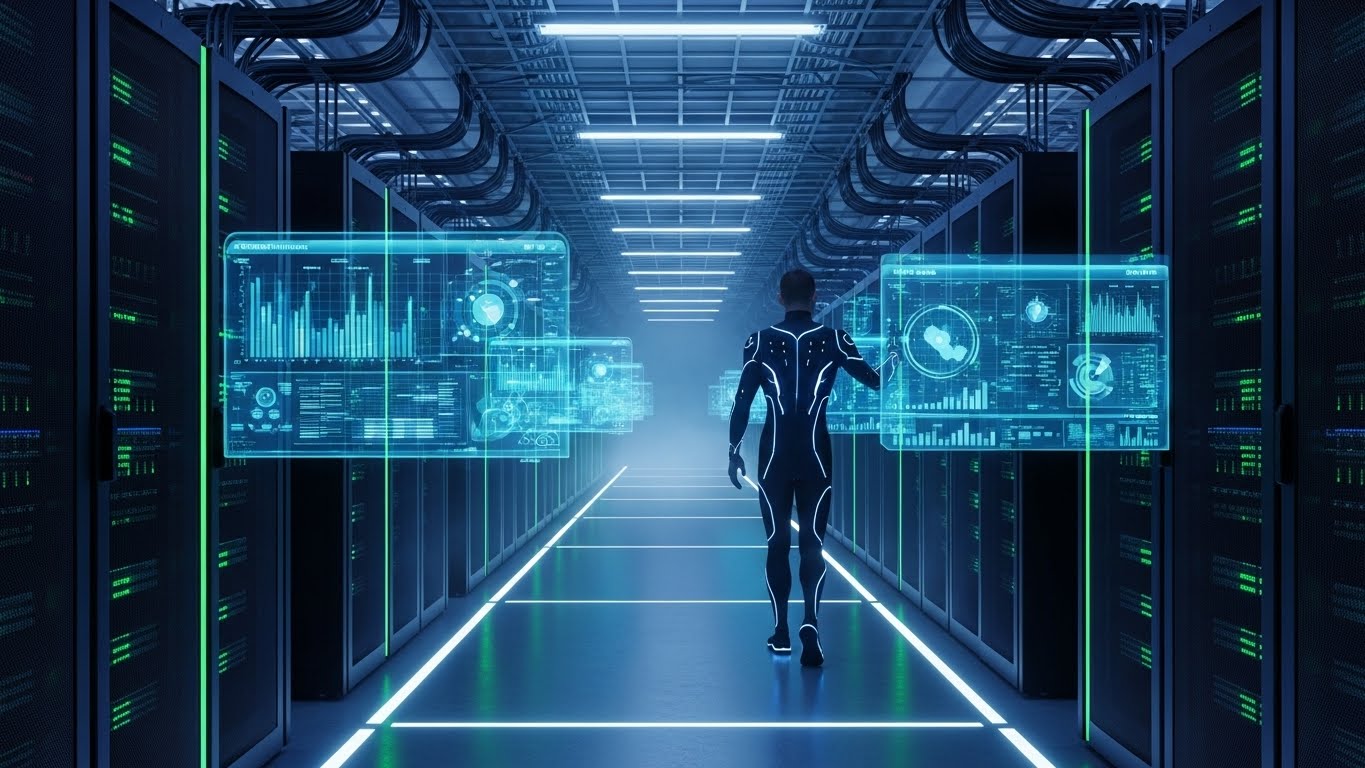
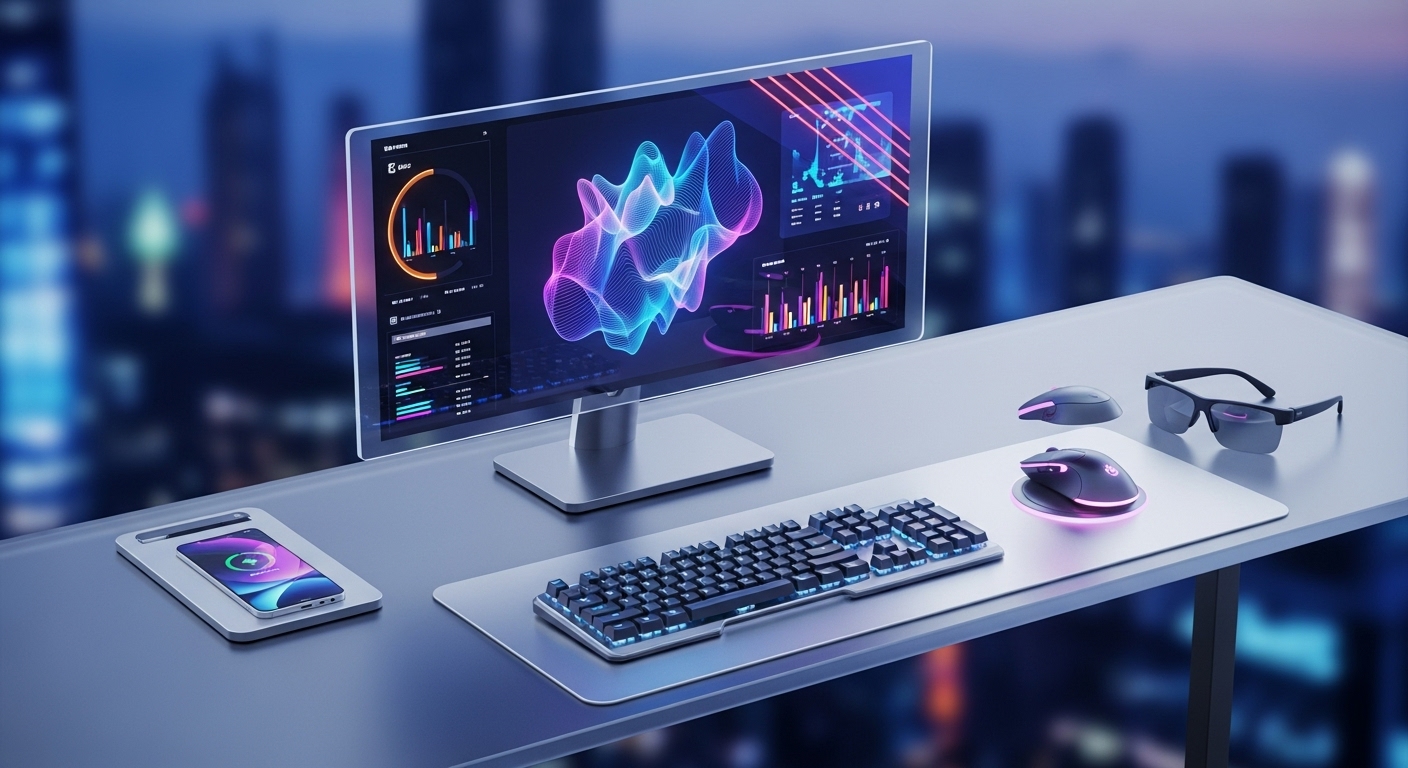
Technology has become an inseparable part of human life. It influences the way we communicate, work, learn, and entertain ourselves. Over the last few decades, technological innovations have grown at an unprecedented pace, transforming every aspect of society. From artificial intelligence to renewable energy, technology continues to redefine the boundaries of what is possible. This blog explores how technology impacts our lives, the industries it reshapes, and the exciting future that lies ahead.
The Evolution of Technology
Technology is not a new phenomenon; it has evolved alongside humanity. Early humans developed tools and techniques to survive, communicate, and innovate. The invention of the wheel, fire, and writing systems marked the beginning of human progress. Fast forward to the Industrial Revolution, and technology started shaping economies and societies on a massive scale. Steam engines, electricity, and mechanized manufacturing revolutionized production and daily life.
The digital era accelerated this transformation. Computers, the internet, and mobile devices have fundamentally changed how we live. Today, smartphones serve as communication devices, entertainment hubs, and tools for business. Cloud computing allows data storage and processing on a global scale. Social media connects people worldwide, creating instant communication networks. The evolution of technology is continuous, and its impact grows with each innovation.
The Role of Artificial Intelligence
Artificial intelligence (AI) is one of the most transformative technologies of the 21st century. AI involves creating machines and software that can mimic human intelligence, including learning, problem-solving, and decision-making. AI applications are everywhere—from virtual assistants like smart speakers to recommendation algorithms on streaming platforms.
In industries, AI optimizes operations, predicts market trends, and improves decision-making. In healthcare, AI assists doctors in diagnosing diseases, analyzing medical images, and developing personalized treatment plans. Autonomous vehicles rely on AI for navigation and safety. While AI raises ethical questions about privacy and job displacement, it undeniably enhances productivity and creates opportunities for innovation.
The Impact of Technology on Communication
Communication has been revolutionized by technology. Emails, instant messaging, video conferencing, and social media have made global interaction seamless. Businesses collaborate with international teams without the need for physical presence. Families and friends separated by distance can stay connected instantly.
Social media platforms provide a space for ideas to be shared, trends to emerge, and communities to form. They empower individuals to voice opinions, promote creativity, and participate in global conversations. However, these platforms also come with challenges, including misinformation, data privacy concerns, and social pressure. Despite the drawbacks, technology has made communication faster, easier, and more inclusive.
Technology in Education
Education has been transformed by technology in ways that were unimaginable a few decades ago. E-learning platforms, virtual classrooms, and online resources have made education accessible to millions worldwide. Students can learn at their own pace, explore interactive content, and connect with educators globally.
Virtual reality (VR) and augmented reality (AR) are creating immersive educational experiences. Medical students can practice surgeries in virtual environments, while history students can explore ancient civilizations in 3D simulations. Technology promotes critical thinking, creativity, and problem-solving, preparing students for a future that increasingly relies on digital skills.
Technology and Healthcare
Healthcare is one of the sectors most profoundly impacted by technology. Medical devices, diagnostic tools, and advanced imaging have improved patient care and outcomes. Telemedicine allows patients to consult doctors remotely, making healthcare more accessible, especially in rural or underserved areas.
AI and machine learning help in early disease detection, drug discovery, and personalized treatment plans. Wearable devices monitor heart rate, sleep patterns, and physical activity, empowering individuals to take charge of their health. Biotechnology and genetic engineering are advancing treatment possibilities, paving the way for precision medicine that targets diseases at a molecular level.
Technology in Business and Industry
Technology has redefined how businesses operate. Automation, data analytics, and cloud computing streamline operations and improve efficiency. Companies can analyze consumer behavior, predict trends, and make data-driven decisions that enhance competitiveness.
E-commerce platforms have transformed retail, allowing customers to shop anytime, anywhere. Digital marketing leverages algorithms and analytics to target audiences more effectively. Industries such as manufacturing, logistics, and finance have embraced technology to optimize processes, reduce costs, and enhance productivity. The integration of technology into business continues to drive innovation and economic growth.
The Internet of Things (IoT)
The Internet of Things (IoT) connects everyday devices to the internet, enabling data collection, analysis, and automation. Smart homes, equipped with connected appliances, lighting systems, and security devices, offer convenience and energy efficiency. Wearables track health metrics, while connected vehicles enhance safety and navigation.
IoT extends to industrial applications as well. Factories use sensors and connected machinery to monitor production lines, reduce downtime, and improve efficiency. Cities implement smart systems for traffic management, waste disposal, and energy optimization. IoT represents a future where devices communicate seamlessly, making life more efficient and informed.
Cybersecurity: Protecting the Digital World
As technology advances, so do the risks associated with it. Cybersecurity has become a critical concern for individuals, businesses, and governments. Cyberattacks, data breaches, and ransomware threaten personal information, financial security, and even national infrastructure.
Protecting digital assets requires robust security measures, including encryption, multi-factor authentication, and regular software updates. Awareness and education about online safety are essential to minimize risks. As the digital landscape grows, cybersecurity will continue to play a vital role in ensuring trust and safety in technology.
Technology and Entertainment
Entertainment has been transformed by technology in remarkable ways. Streaming platforms allow on-demand access to movies, music, and television. Video games have evolved into immersive experiences with realistic graphics, interactive storytelling, and online multiplayer features.
Virtual reality and augmented reality are pushing the boundaries of entertainment, offering experiences that blur the line between real and digital worlds. Technology has also enabled content creation on an unprecedented scale, empowering creators to reach global audiences. From music and film to gaming and live performances, technology has redefined how we enjoy entertainment.
Technology and Transportation
Transportation has been revolutionized by technological innovation. Electric vehicles, autonomous cars, and smart traffic systems are reshaping mobility. Ride-sharing apps provide convenience and efficiency, while AI-powered navigation helps reduce congestion and improve travel safety.
High-speed trains, drones, and hyperloop concepts demonstrate the potential of futuristic transportation solutions. Technology not only makes travel faster and more efficient but also addresses environmental concerns by promoting sustainable and cleaner transportation options.
The Future of Technology
The future of technology promises even more groundbreaking advancements. Artificial intelligence, quantum computing, biotechnology, and renewable energy are poised to reshape the world. Virtual and augmented reality will create immersive experiences in education, entertainment, and work.
Ethical and responsible use of technology will be essential as innovation continues. Balancing convenience with privacy, automation with employment, and digital access with inclusivity will determine how society benefits from future advancements. Technology holds the power to address global challenges, improve quality of life, and expand human potential.
Conclusion
Technology is no longer just a tool—it is the foundation of modern society. It connects people, drives industries, transforms education, and redefines entertainment. From artificial intelligence to the Internet of Things, technology touches every aspect of daily life and shapes the way we interact with the world.
As we move forward, embracing innovation responsibly and ethically will be crucial. The possibilities are limitless, and the future belongs to those who adapt, learn, and harness technology to create a smarter, more connected, and sustainable world. Technology is not just shaping the modern world—it is creating a horizon filled with opportunities and potential for generations to come.