
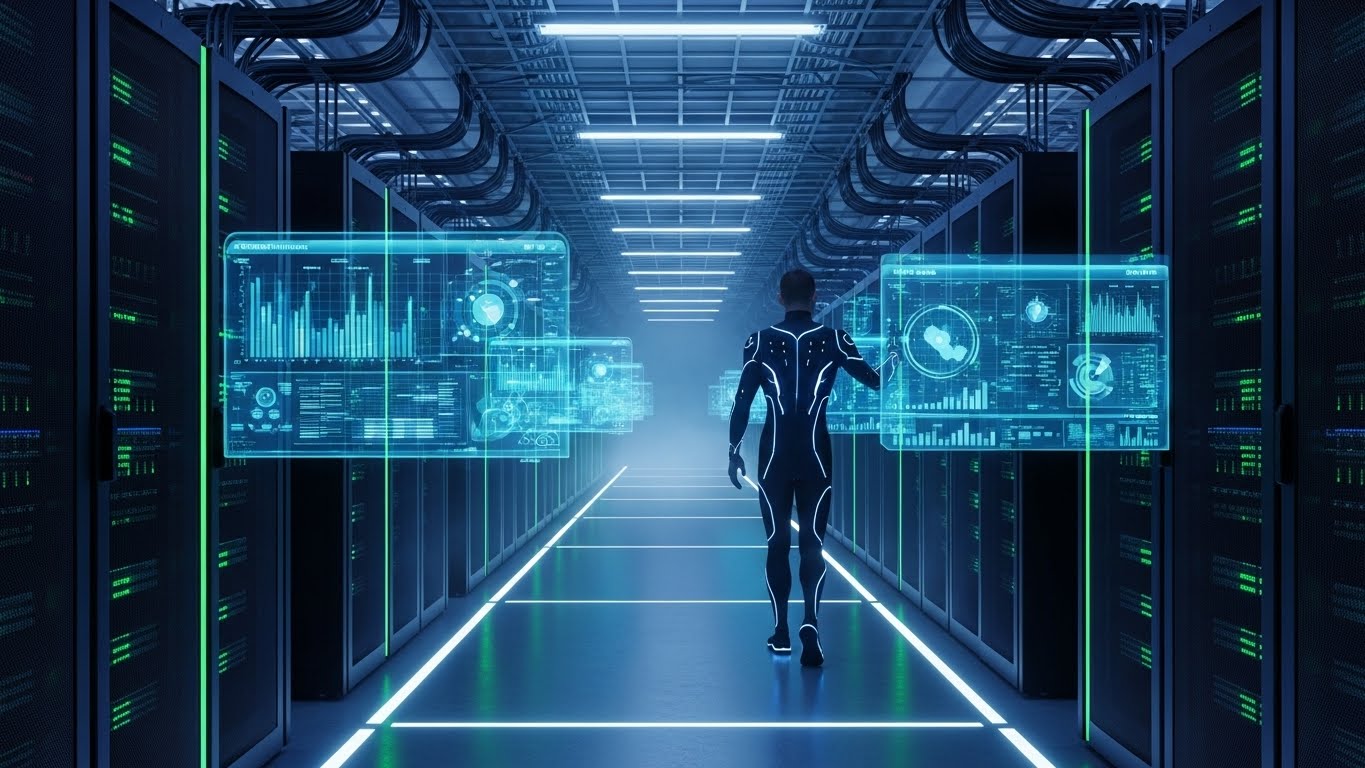
Technology has always been the driving force behind human advancement, but the speed at which it evolves today is unprecedented. From artificial intelligence to wearable devices, innovations are reshaping how we live, work, and interact. Understanding these transformations is essential not only for businesses and professionals but also for individuals seeking to navigate a rapidly changing world. This article explores the most influential technologies of the present and the future, their applications, and how they are likely to impact society.
The Rise of Artificial Intelligence
Artificial Intelligence, or AI, has moved from science fiction into everyday reality. Once limited to laboratory experiments, AI now powers smartphones, recommendation systems, and even autonomous vehicles. Machine learning, a subset of AI, enables computers to learn from data and improve their performance over time without explicit programming. This technology is revolutionizing industries such as healthcare, finance, and logistics.
In healthcare, AI is being used to predict disease outbreaks, analyze medical images, and even assist in surgeries. Diagnostic tools powered by AI can detect conditions like cancer earlier and with higher accuracy than traditional methods. In finance, AI algorithms monitor market trends, detect fraudulent transactions, and provide personalized investment advice. Logistics companies leverage AI for route optimization, warehouse management, and demand forecasting, leading to significant cost savings and efficiency improvements.
AI also raises ethical considerations. Questions about privacy, job displacement, and decision-making transparency are increasingly important. As AI systems become more integrated into daily life, it is crucial to develop frameworks that ensure these technologies are used responsibly.
Internet of Things: Connecting the World
The Internet of Things (IoT) refers to the network of interconnected devices that communicate with each other and exchange data. From smart homes to industrial sensors, IoT is making our environments more intelligent and responsive. Devices such as smart thermostats, wearable fitness trackers, and connected appliances collect data and provide actionable insights, enhancing convenience and efficiency.
In urban settings, IoT enables the concept of smart cities. Traffic management systems use sensors to reduce congestion, while connected lighting systems improve energy efficiency. Environmental monitoring through IoT devices allows for real-time detection of pollution, enabling timely interventions. Industrial applications include predictive maintenance of machinery, which reduces downtime and lowers costs.
However, IoT comes with challenges. Security vulnerabilities and data privacy concerns are significant issues. Each connected device can become a potential entry point for cyberattacks. Developing robust security protocols and ensuring user privacy are critical for the sustainable growth of IoT technologies.
Blockchain: Beyond Cryptocurrency
Blockchain technology is widely known as the backbone of cryptocurrencies, but its potential extends far beyond digital money. At its core, blockchain is a decentralized, immutable ledger that records transactions securely. This makes it ideal for applications where transparency, security, and trust are paramount.
In supply chain management, blockchain enables companies to track products from origin to consumer, ensuring authenticity and reducing fraud. Healthcare systems use blockchain to securely store patient records, allowing for seamless and secure data sharing between providers. Governments are exploring blockchain for transparent voting systems, reducing the risk of electoral fraud.
Despite its promise, blockchain adoption faces hurdles. Scalability and energy consumption are primary concerns, particularly with older blockchain models. Newer approaches, such as proof-of-stake systems and hybrid blockchain solutions, aim to address these issues, making the technology more sustainable and practical for mainstream use.
Augmented and Virtual Reality: Changing the Way We Experience
Augmented Reality (AR) and Virtual Reality (VR) are transforming the way we perceive and interact with digital content. AR overlays digital information onto the physical world, while VR immerses users in entirely virtual environments. These technologies are no longer limited to gaming; they have real-world applications in education, training, retail, and healthcare.
In education, AR and VR provide immersive learning experiences. Students can explore historical sites virtually or perform complex scientific experiments safely in a virtual lab. In the medical field, VR is used for surgical training, allowing practitioners to practice procedures without risk to patients. Retailers use AR to let customers visualize products in their homes before making purchases, enhancing the shopping experience.
The continued advancement of AR and VR depends on improvements in hardware, software, and content creation. Lightweight headsets, realistic graphics, and intuitive interfaces are making these technologies more accessible to consumers, bridging the gap between imagination and reality.
Renewable Energy Technology: Powering a Sustainable Future
The urgency to address climate change has accelerated innovations in renewable energy technology. Solar, wind, and hydroelectric power systems are becoming more efficient and cost-effective. Battery technology is improving, allowing energy to be stored and distributed more reliably.
Solar panels are now more efficient and affordable than ever before, enabling households and businesses to generate their own electricity. Wind turbines are being deployed in both onshore and offshore locations, producing significant amounts of clean energy. Advances in energy storage, including lithium-ion and emerging solid-state batteries, are crucial for balancing supply and demand, especially when integrating intermittent renewable sources into the grid.
Beyond energy production, technology is also helping reduce consumption. Smart meters, energy-efficient appliances, and AI-driven energy management systems optimize electricity use, reducing both costs and environmental impact. As renewable energy technology continues to evolve, it promises a future where clean power is not just possible but abundant and reliable.
Robotics: Revolutionizing Work and Life
Robotics has been transforming industries for decades, but recent advancements have accelerated its adoption across various sectors. Modern robots are highly versatile, capable of performing tasks ranging from assembly line work to surgical assistance.
In manufacturing, collaborative robots, or cobots, work alongside human employees, improving efficiency and safety. In healthcare, robotic surgical systems enhance precision, reducing recovery time and improving patient outcomes. Service robots, including those used in hospitality and retail, are becoming more common, performing tasks such as cleaning, delivery, and customer service.
Robotics is also entering domestic life. Robotic vacuum cleaners, lawn mowers, and personal assistants are becoming household staples, making everyday tasks more convenient. The integration of AI with robotics continues to expand their capabilities, allowing machines to learn, adapt, and interact more naturally with humans.
5G and Connectivity: Enabling a Hyperconnected World
The rollout of 5G networks is a critical enabler of modern technology. With significantly higher speeds, lower latency, and greater capacity than previous generations, 5G facilitates real-time communication between devices and systems.
Healthcare benefits from 5G through remote surgeries, telemedicine, and real-time patient monitoring. Autonomous vehicles rely on ultra-fast connectivity to navigate safely, sharing data with other vehicles and infrastructure. Smart cities, powered by 5G, can integrate transportation, energy, and communication networks seamlessly, improving quality of life for residents.
The adoption of 5G also creates new opportunities for businesses, such as immersive gaming, augmented reality applications, and high-definition video streaming. While the infrastructure rollout requires significant investment, the potential societal and economic benefits are immense.
Ethical and Social Considerations in Technology
While technological advancements offer tremendous benefits, they also present ethical and social challenges. Automation and AI may displace jobs, creating economic inequality. Data privacy is a growing concern as more personal information is collected, analyzed, and stored. Ensuring equitable access to technology is essential to prevent digital divides from widening.
Developers, policymakers, and society at large must work together to establish ethical guidelines, transparency standards, and regulatory frameworks. Balancing innovation with responsibility will be key to ensuring that technology enhances human life without causing unintended harm.
The Future Outlook
Looking ahead, the pace of technological change shows no signs of slowing. Emerging technologies such as quantum computing, biotechnology, and space exploration will further redefine what is possible. Quantum computers promise to solve problems that are currently beyond the reach of classical computing, while advances in biotechnology could revolutionize healthcare and agriculture. Private and public ventures in space exploration are opening new frontiers for scientific discovery and commercial opportunities.
Ultimately, technology’s greatest potential lies in its ability to improve human life. When designed and implemented thoughtfully, it can increase productivity, enhance well-being, and create opportunities for innovation and collaboration. Staying informed about these trends and understanding their implications will be essential for individuals, businesses, and societies in the years to come.
Conclusion
Technology is no longer just a tool; it is a transformative force shaping the modern world. From AI and IoT to renewable energy and robotics, each innovation brings new possibilities and challenges. As we navigate this era of rapid change, the focus must remain on using technology responsibly and inclusively. By embracing innovation thoughtfully, society can harness the power of technology to create a future that is smarter, more sustainable, and more connected than ever before.
The journey of technology is ongoing, and the next breakthroughs may arrive sooner than we expect. Understanding current trends, ethical considerations, and future possibilities is the key to staying ahead in a world where technology continues to redefine reality.