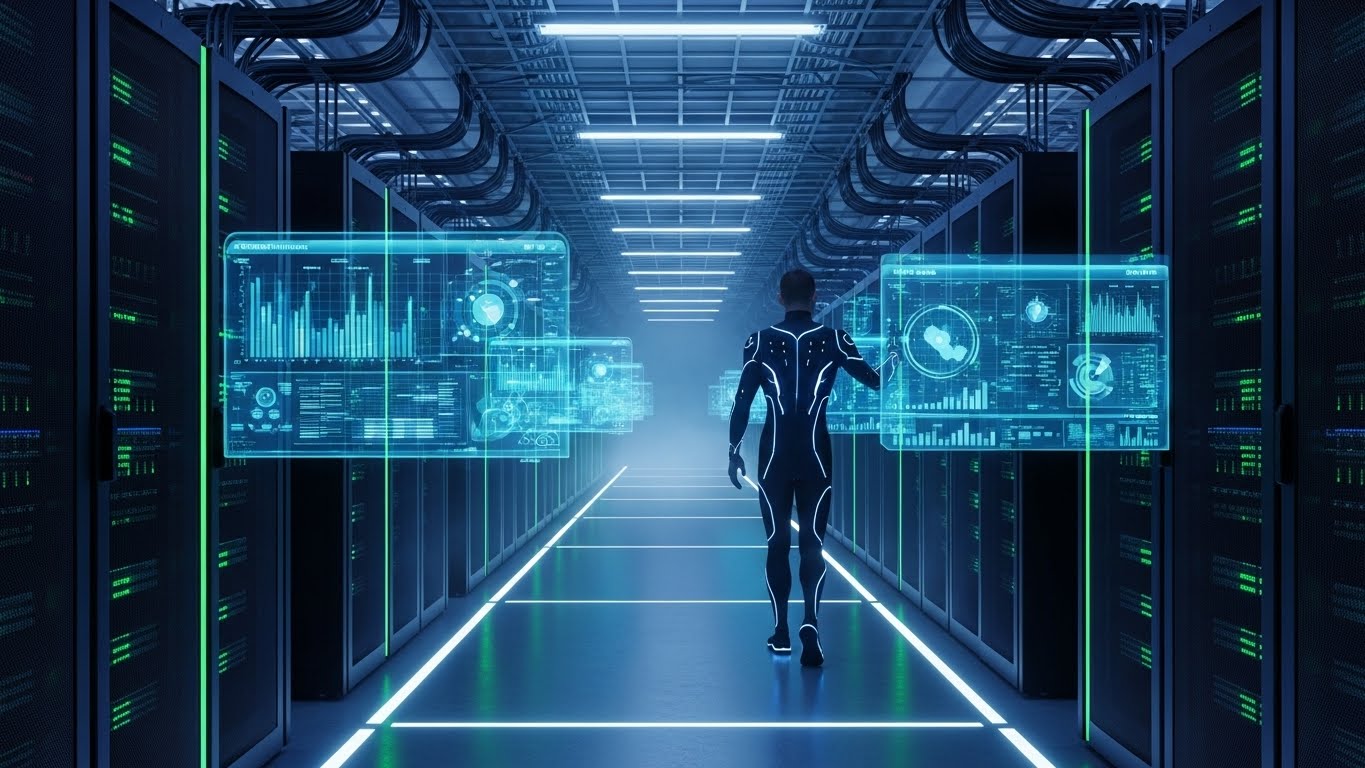
Technology has always been at the forefront of human progress. From the wheel to the internet, each breakthrough has reshaped society, transforming how people live, work, and communicate. Today, we live in an era where rapid advancements in artificial intelligence, robotics, biotechnology, and digital communication are redefining the limits of possibility. This blog delves into the most significant technological trends, their impact on our lives, and what the future may hold as these innovations continue to evolve.
The Evolution of Technology
The history of technology is a testament to human ingenuity. Early inventions such as fire, the wheel, and basic tools were designed to improve survival and efficiency. The Industrial Revolution marked a pivotal moment, introducing machinery, steam engines, and mass production, which fundamentally changed agriculture, manufacturing, and transportation.
The 20th century brought the digital revolution. Computers, telecommunications, and the internet transformed how people accessed information and conducted business. Today, technology continues to evolve at an unprecedented pace, introducing breakthroughs in artificial intelligence, quantum computing, biotechnology, and other cutting-edge fields. Each innovation opens new doors, transforming everyday life and industrial operations alike.
Artificial Intelligence: Redefining Intelligence
Artificial intelligence (AI) is one of the most transformative technologies of the modern era. AI systems can learn, reason, and make decisions, allowing machines to perform tasks previously thought to require human intelligence. Applications range from virtual assistants and autonomous vehicles to predictive analytics and medical diagnostics.
In business, AI improves efficiency by automating routine tasks, analyzing large datasets, and providing actionable insights. In healthcare, AI aids in early disease detection, drug discovery, and personalized treatments. AI-driven systems are also revolutionizing finance, customer service, and logistics, demonstrating its versatility across industries.
However, AI also raises important ethical concerns. Algorithmic bias, privacy issues, and potential job displacement must be addressed responsibly. Collaboration between technologists, policymakers, and society is essential to ensure AI benefits humanity without creating unintended consequences.
Robotics and Automation: Changing the Way We Work
Robotics and automation are transforming industries by increasing efficiency, precision, and safety. Industrial robots have long been used in manufacturing to handle repetitive or dangerous tasks. Today, advances in robotics allow machines to collaborate with humans, performing complex operations that require dexterity and precision.
Automation extends beyond manufacturing. In agriculture, drones monitor crops and optimize irrigation. In healthcare, robotic surgical systems improve accuracy and reduce recovery times. Logistics and delivery systems are also benefiting from automation, with autonomous vehicles and drones streamlining supply chains.
While robotics and automation bring numerous benefits, they also raise workforce challenges. Many repetitive jobs are being replaced by machines, making retraining and skill development essential. Preparing the workforce for a technology-driven future is critical for ensuring equitable benefits from these innovations.
The Internet of Things: Connecting the World
The Internet of Things (IoT) refers to networks of devices that communicate and share data to improve efficiency and convenience. IoT devices range from smart home appliances and wearable technology to industrial sensors and connected vehicles. By collecting and analyzing data, these devices enhance decision-making, productivity, and lifestyle experiences.
In homes, IoT automates lighting, security, heating, and entertainment systems. In industry, connected sensors monitor equipment performance, reducing downtime and optimizing operations. In healthcare, wearable devices track vital signs, providing critical information for patient care.
IoT presents challenges as well. With a growing number of devices collecting personal and sensitive information, cybersecurity and privacy are increasingly important. Ensuring secure communication and data protection is crucial as IoT continues to expand globally.
Biotechnology: Merging Life with Technology
Biotechnology is transforming healthcare, agriculture, and environmental sustainability. Advances in genetic engineering, synthetic biology, and regenerative medicine are enabling breakthroughs in disease treatment, crop improvement, and ecological conservation.
In medicine, biotechnology allows for precision treatments tailored to individual genetic profiles. Gene editing technologies like CRISPR hold potential for curing genetic disorders and preventing certain diseases. In agriculture, genetically modified crops improve yield, resistance, and nutritional content, addressing global food security challenges.
Ethical considerations are critical in biotechnology. Genetic modification, cloning, and synthetic organisms pose questions regarding safety, environmental impact, and social responsibility. Thoughtful regulation, public dialogue, and responsible research are essential to maximize benefits while minimizing risks.
Cloud Computing and Big Data: Powering Modern Enterprises
Cloud computing and big data have revolutionized how organizations operate and make decisions. Cloud platforms offer scalable storage and computing power, enabling businesses to access resources on demand while reducing infrastructure costs. Big data analytics transforms massive datasets into actionable insights, driving strategic decision-making and innovation.
Industries from finance and healthcare to retail and logistics rely on cloud computing and data-driven strategies. Cloud infrastructure facilitates remote collaboration and digital transformation, while big data enables predictive analytics, personalized services, and operational efficiency.
The growth of cloud computing and big data highlights the importance of cybersecurity. Protecting sensitive information and maintaining compliance with regulations is essential to safeguarding businesses and users in an increasingly digital world.
Virtual Reality and Augmented Reality: Immersive Experiences
Virtual reality (VR) and augmented reality (AR) are changing the way people experience entertainment, education, and work. VR immerses users in simulated environments, while AR overlays digital information onto the real world, creating interactive and engaging experiences.
In education, VR allows students to explore historical sites, conduct science experiments, and practice skills in a safe, simulated environment. In healthcare, VR and AR assist in surgery planning, patient rehabilitation, and mental health therapy. Retailers and marketers use these technologies to offer immersive product experiences, creating new avenues for customer engagement.
As VR and AR technologies become more affordable and accessible, their applications are expected to expand, transforming education, entertainment, and professional training.
Emerging Technologies and the Future
Beyond AI, robotics, IoT, biotechnology, cloud computing, and VR/AR, emerging technologies such as quantum computing, 5G networks, and advanced materials are poised to redefine the future. Quantum computing offers unparalleled processing power, solving problems that are impossible with traditional computers. 5G networks promise ultra-fast connectivity, enabling seamless communication and real-time IoT interactions. Advanced materials can lead to stronger, lighter, and more sustainable solutions in construction, energy storage, and electronics.
These emerging technologies present vast opportunities and challenges. Ethical considerations, environmental sustainability, and social implications must be addressed to ensure that technological progress benefits society as a whole. Collaboration between governments, industry, and academia is key to unlocking the full potential of these innovations.
Challenges and Ethical Considerations
While technology offers unprecedented opportunities, it also presents challenges. Automation and AI may lead to job displacement, while increased connectivity raises privacy and cybersecurity concerns. The ethical use of AI, biotechnology, and data analytics must be prioritized to prevent harm and ensure fairness.
Governments and organizations must implement regulations that balance innovation with safety and social responsibility. Public education and awareness are equally important, as society must adapt to the rapid technological changes affecting daily life and global systems.
Conclusion
Technology is the backbone of modern society, reshaping industries, lifestyles, and human potential. Artificial intelligence, robotics, IoT, biotechnology, cloud computing, and virtual and augmented reality are transforming how we live and work. Emerging innovations such as quantum computing and 5G networks promise to further expand possibilities.
While these advancements offer remarkable opportunities, they also come with ethical, societal, and environmental challenges. Responsible development, regulation, and public engagement are essential to ensure that technology benefits humanity and creates a sustainable future. By embracing innovation thoughtfully, we can harness the power of technology to improve lives, solve global challenges, and open new horizons for generations to come.