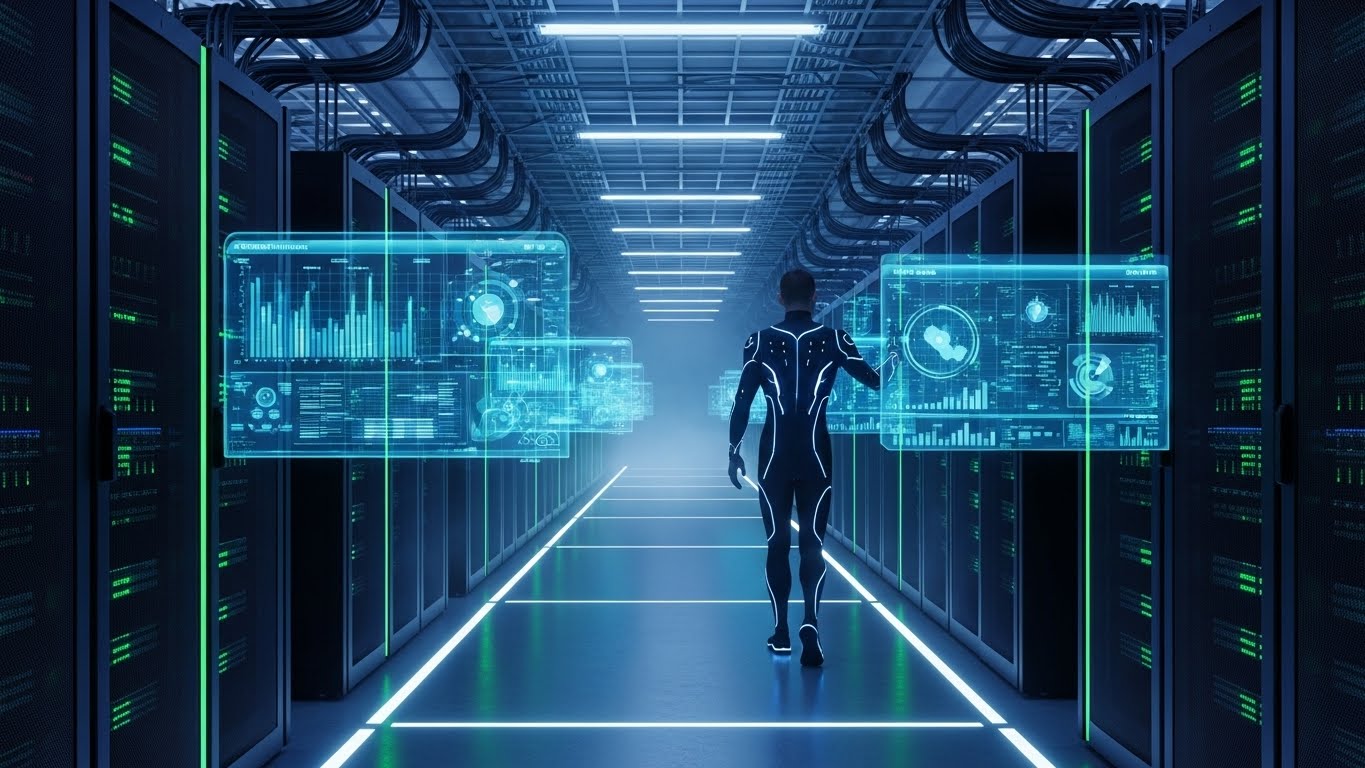
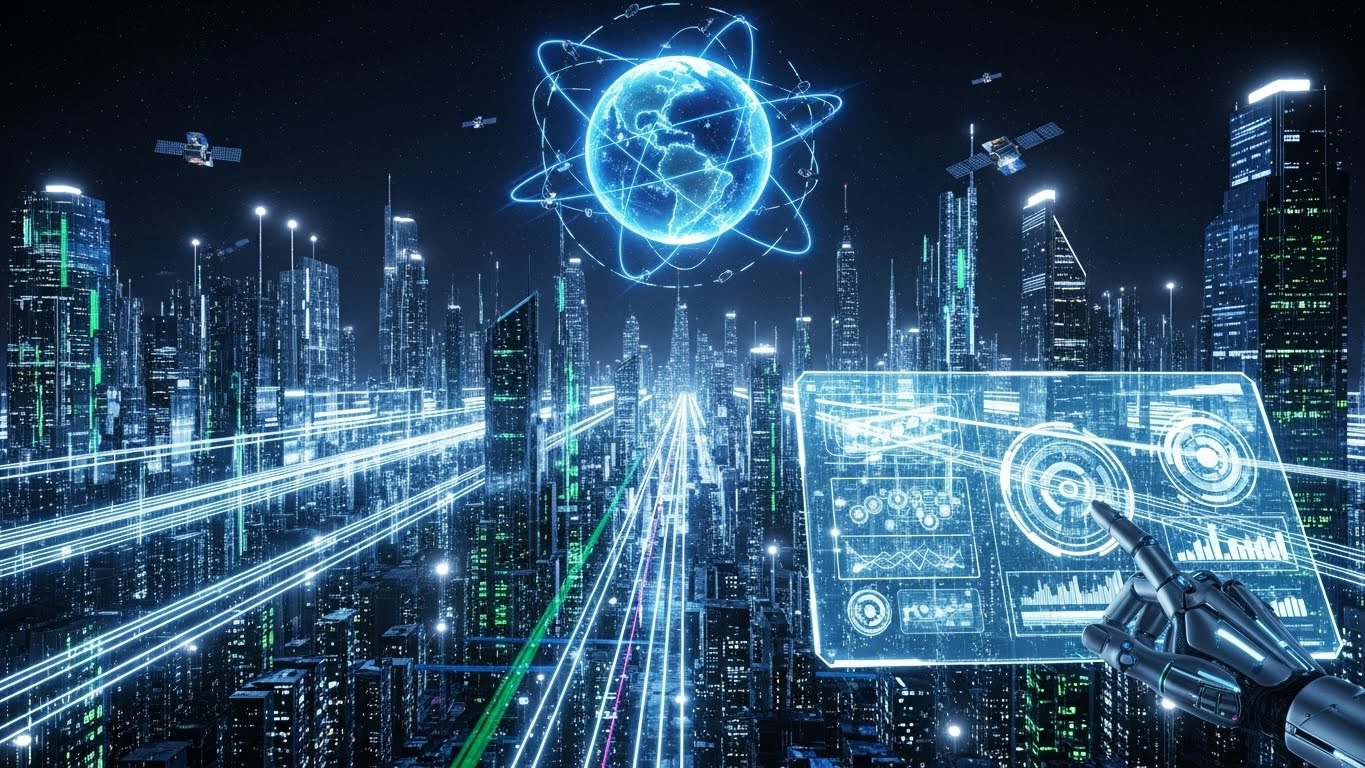
In an age where technology is advancing at an unprecedented pace, it’s hard to imagine a world without smartphones, artificial intelligence, or the internet. The influence of technology touches every aspect of our daily lives, from how we communicate to how we work, learn, and even socialize. But beyond the gadgets and apps, technology is fundamentally reshaping the way we think about the world, the future, and the possibilities that lie ahead. This blog post will delve into the latest trends in technology, how they’re changing our lives, and what we can expect in the coming years.
The Power of Innovation: A Technological Revolution
Technological advancements have always been a driving force behind human progress. From the invention of the wheel to the creation of the first computer, innovation has propelled societies forward, enabling us to solve problems, improve quality of life, and explore new frontiers. In the past few decades, however, the rate of technological change has accelerated exponentially. What once took years or even decades to develop is now achieved in months, weeks, or even days. The digital age has ushered in new possibilities, and as we look to the future, it’s clear that technology will continue to transform the way we live and work.
The Digital Transformation of Industries
Almost every industry has been impacted by the digital revolution, from healthcare to finance, education to entertainment. The way businesses operate and interact with customers has fundamentally changed, thanks to advancements in data analytics, cloud computing, and automation. Companies that once relied on traditional processes are now embracing digital solutions to improve efficiency, streamline operations, and enhance customer experiences.
Take the healthcare sector, for example. With the rise of telemedicine and wearable health devices, patients can now consult with doctors remotely, track their vitals in real-time, and even receive personalized treatment recommendations based on data collected by smart devices. This shift has not only made healthcare more accessible but also more efficient, allowing medical professionals to provide more timely and accurate care.
In the finance sector, fintech companies are leveraging blockchain technology and digital currencies to offer faster, more secure transactions. Peer-to-peer lending, mobile banking, and robo-advisors are just a few of the innovations that are reshaping how we handle money and manage financial transactions.
The Rise of Artificial Intelligence
Arguably one of the most transformative technologies of the 21st century is artificial intelligence (AI). AI refers to machines and systems that can perform tasks that would typically require human intelligence, such as recognizing speech, interpreting images, or making decisions. While AI is already being used in a variety of applications—ranging from self-driving cars to virtual assistants—its potential is still largely untapped.
In industries like healthcare, AI is revolutionizing diagnostics by helping doctors detect diseases early and with greater accuracy. AI-powered systems can analyze medical images, predict patient outcomes, and even suggest treatment options, all with a level of precision that surpasses human capability in some cases. Similarly, in education, AI is being used to create personalized learning experiences, adapting content to suit each student’s individual needs and progress.
One of the most promising aspects of AI is its ability to learn from vast amounts of data. As machine learning algorithms continue to improve, AI systems will become even more intelligent, capable of making decisions and solving complex problems without human intervention. This could open up new opportunities in industries like finance, logistics, and manufacturing, where AI could optimize supply chains, predict market trends, and improve productivity.
The Connected World: Internet of Things (IoT)
As the world becomes more connected, the Internet of Things (IoT) is playing an increasingly central role in our everyday lives. The IoT refers to the network of devices that are connected to the internet and can communicate with one another, enabling automation and data sharing across multiple platforms. From smart home devices like thermostats and security cameras to wearable fitness trackers and connected vehicles, IoT devices are designed to collect and share data, making our lives more efficient, convenient, and interconnected.
Smart Homes and Automation
The concept of a smart home is becoming a reality for more and more people. With the advent of devices like Amazon Echo, Google Nest, and Apple HomeKit, homeowners can control everything from their lighting to their appliances using voice commands or smartphone apps. This level of automation not only provides convenience but also enhances energy efficiency and security.
Smart thermostats, for example, learn your preferences and adjust the temperature accordingly, saving you money on your energy bill while ensuring you’re always comfortable. Similarly, smart security systems can detect motion, monitor video feeds, and send alerts to your phone if unusual activity is detected.
Wearables and Health Tracking
Wearable technology is another area where IoT is having a significant impact. Devices like Fitbit, Apple Watch, and Garmin are enabling individuals to track their fitness, monitor vital signs, and gain insights into their overall health. These wearables are capable of tracking everything from heart rate to sleep patterns, helping users make more informed decisions about their lifestyle and well-being.
The data collected by these devices can also be shared with healthcare providers, enabling doctors to monitor patients’ health remotely and intervene if necessary. In the future, wearables could become even more advanced, with the ability to track additional health metrics, detect early signs of disease, and even predict potential health issues before they occur.
Virtual Reality and Augmented Reality: Redefining Experiences
Virtual reality (VR) and augmented reality (AR) are two immersive technologies that have the potential to revolutionize the way we interact with the world around us. Both VR and AR have applications in entertainment, education, healthcare, and various other industries, offering new ways to experience and engage with content.
Virtual Reality: The Future of Entertainment
Virtual reality immerses users in a fully digital environment, creating experiences that feel lifelike and interactive. VR has already made a significant impact on gaming, allowing players to step into a virtual world and interact with it in ways that were once unimaginable. However, VR’s potential extends far beyond gaming.
In education, VR is being used to create immersive learning experiences, allowing students to explore historical landmarks, practice surgery, or simulate space missions—all from the comfort of their classrooms. Similarly, VR is being adopted by companies for training purposes, enabling employees to practice skills and handle real-world scenarios in a virtual setting.
Augmented Reality: Enhancing the Real World
Unlike VR, which creates an entirely virtual environment, augmented reality enhances the real world by overlaying digital elements onto physical objects. Through the use of smartphones, AR glasses, or heads-up displays, users can see additional information or interactive elements superimposed on their surroundings.
One of the most popular examples of AR is the mobile game Pokémon GO, where players use their smartphones to catch virtual creatures in real-world locations. But AR’s potential goes far beyond gaming. In retail, for example, AR is being used to allow customers to try on clothes virtually, see how furniture would look in their homes, or test makeup products before making a purchase. In healthcare, AR is being used to assist surgeons during complex procedures, providing real-time data and visuals that enhance precision and reduce risks.
The Evolution of Connectivity: 5G Technology
One of the most anticipated technological advancements in recent years is 5G technology. The fifth generation of wireless technology promises to deliver faster speeds, lower latency, and greater connectivity than its predecessors, enabling a host of new applications and innovations.
Faster Speeds and Enhanced Connectivity
With 5G, download and upload speeds will be significantly faster, enabling seamless streaming of high-quality videos, faster downloads, and better performance for IoT devices. This enhanced connectivity will allow for more reliable communication and data transfer, which is especially important as more devices and systems become interconnected.
For industries like healthcare and autonomous driving, 5G’s low latency is a game-changer. Doctors will be able to perform remote surgeries with minimal delay, and self-driving cars will be able to communicate with each other and with traffic infrastructure in real-time, improving safety and efficiency.
A New Era for Smart Cities
5G will also play a crucial role in the development of smart cities. With its ability to connect billions of devices simultaneously, 5G will enable the seamless integration of traffic management systems, energy grids, and public safety networks. Smart cities will be able to optimize resources, reduce waste, and improve the quality of life for their inhabitants.
The Ethical Considerations of Technological Advancements
As technology continues to evolve, it’s essential to consider the ethical implications of these advancements. Issues such as data privacy, artificial intelligence bias, and the impact of automation on jobs are becoming increasingly important. While technology has the potential to solve many of society’s most pressing problems, it also raises new questions about fairness, accountability, and the role of human judgment.
Ensuring Ethical AI
One of the most significant concerns surrounding AI is its potential for bias. AI systems are trained on data, and if that data is flawed or biased, the decisions made by the AI can perpetuate those biases. Ensuring that AI systems are transparent, fair, and accountable is crucial as they become more integrated into our lives.
Job Displacement and Automation
Another concern is the impact of automation on jobs. While automation has the potential to increase productivity and efficiency, it may also lead to job displacement, particularly in industries that rely heavily on manual labor. It’s important for policymakers, businesses, and educators to work together to ensure that workers are prepared for the changing job market and have the skills needed to thrive in an increasingly automated world.
Conclusion: Embracing the Future of Technology
The future of technology is incredibly exciting. From artificial intelligence and the Internet of Things to virtual reality and 5G, we are on the brink of a technological revolution that will fundamentally change how we live, work, and interact with the world. While there are challenges ahead—particularly in terms of ethics, privacy, and job displacement—the potential benefits are vast. As we continue to innovate and