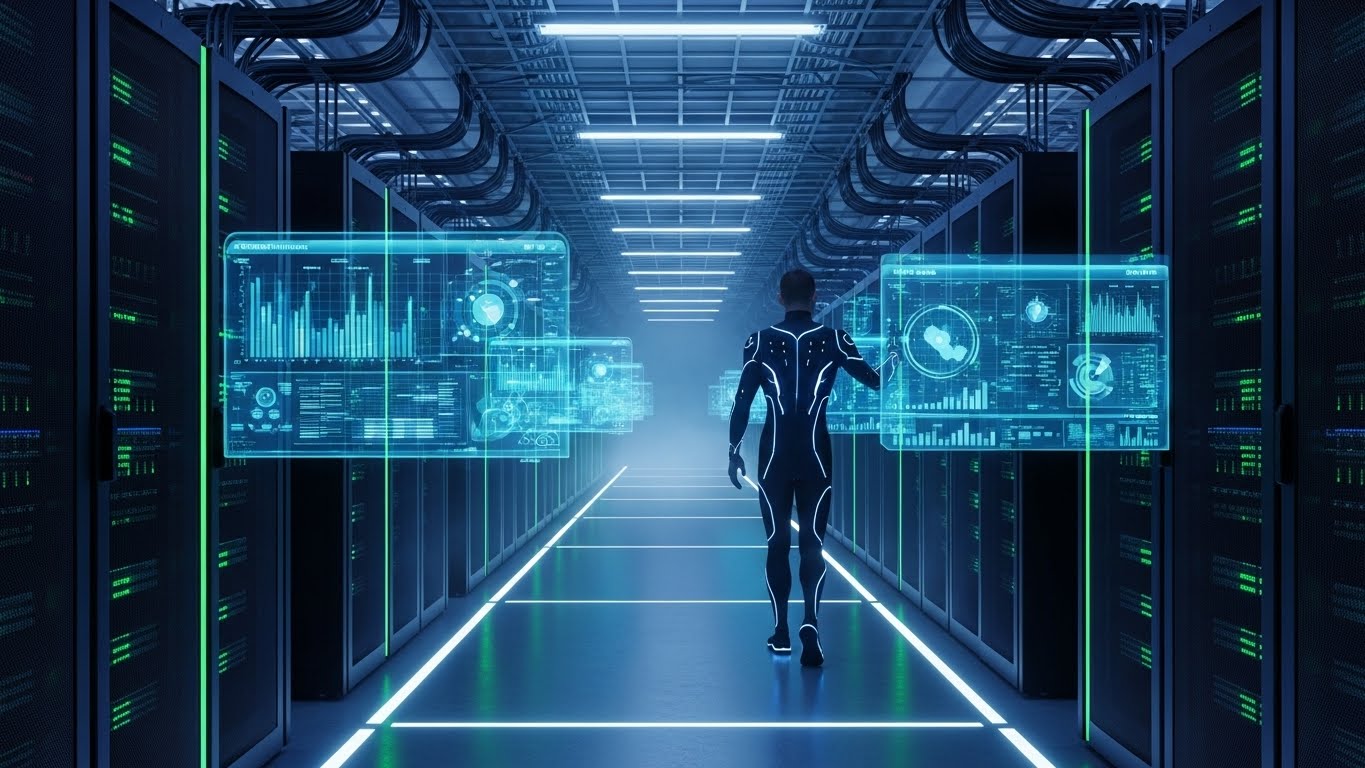

Introduction: Technology as the Heartbeat of Modern Life
Technology is no longer just a tool; it has become the central force shaping human life. From the smartphones we carry to the smart devices that surround our homes, technology influences how we communicate, work, learn, and entertain ourselves. Over the past few decades, technological progress has accelerated at an unprecedented rate, transforming industries, cultures, and everyday experiences. What makes technology truly revolutionary is its ability to adapt, evolve, and create new possibilities for human growth. In this article, we explore how technology impacts our world today, its potential for the future, and the opportunities and challenges it presents.
The Evolution of Technology: From Simple Tools to Complex Systems
The story of technology is the story of human progress. Early inventions like the wheel, the printing press, and electricity laid the foundation for future innovation. In the 20th century, the development of computers and telecommunications sparked a digital revolution. Computers became smaller, faster, and more accessible, eventually moving from research labs to households around the world.
With the rise of personal computers, smartphones, and the internet, technology transitioned from a luxury to a necessity. Information became accessible instantaneously, communication became global, and industries were forced to adapt to a new era of digital connectivity. Modern technology is no longer just about machines—it’s about systems that interact, learn, and create solutions in ways that were once unimaginable.
Artificial Intelligence: Machines That Think
Artificial intelligence (AI) is perhaps the most transformative technology of the 21st century. AI allows machines to analyze data, recognize patterns, and make decisions that previously required human intelligence. Applications of AI are vast: healthcare uses AI to detect diseases, finance uses AI to predict market trends, and businesses use AI to improve efficiency and customer experience.
Beyond practical applications, AI also has creative potential. Algorithms can compose music, generate art, and even write content. However, the rise of AI raises ethical questions about data privacy, algorithmic bias, and the future of human employment. While AI can automate repetitive tasks, it can also augment human creativity and intelligence, creating opportunities for innovation that were previously impossible.
The Internet of Things: Connecting the World
The Internet of Things (IoT) is another technological revolution that is transforming our daily lives. IoT refers to networks of interconnected devices that share information and perform tasks automatically. Smart home devices such as thermostats, lights, and security cameras can now be controlled remotely, while industrial IoT improves efficiency and safety in manufacturing and logistics.
IoT is also transforming cities. Traffic systems, energy management, and public services can now be monitored and optimized in real time, creating smarter, more sustainable urban environments. As IoT devices become more prevalent, cybersecurity and data privacy remain critical challenges. Securing these networks is essential to maintaining trust and maximizing the benefits of this technology.
Mobile Technology: Power in Your Pocket
Mobile technology has fundamentally changed how people interact with the digital world. Smartphones are no longer just communication devices; they are powerful computing machines capable of performing complex tasks. Mobile apps enable people to shop, work, study, play games, and socialize—all from the palm of their hand.
The rollout of 5G networks is further enhancing the power of mobile technology. High-speed connectivity with low latency enables real-time communication, augmented reality applications, and seamless streaming of high-quality media. As mobile devices continue to evolve, they will remain at the forefront of technological innovation, connecting billions of people around the world.
Cloud Computing: Redefining Storage and Collaboration
Cloud computing has revolutionized how individuals and businesses access, store, and manage data. By moving data to remote servers, the cloud allows users to collaborate, scale operations, and access resources without the limitations of physical hardware.
Businesses use cloud computing to manage massive datasets, deploy AI solutions, and streamline operations. For individuals, cloud services provide convenience and flexibility, enabling access to documents, photos, and applications from any location. Cloud computing has also enabled the rise of subscription-based software, streaming services, and global digital platforms, transforming how services are delivered and consumed.
Robotics and Automation: Redefining Productivity
Robotics and automation are reshaping industries and workplaces. In manufacturing, robots handle repetitive tasks with precision, reducing errors and increasing efficiency. In healthcare, surgical robots assist doctors in performing delicate procedures, while service robots provide assistance in hospitals, airports, and homes.
Automation is changing the nature of work. Machines handle routine and labor-intensive tasks, freeing humans to focus on problem-solving, strategy, and creative work. The integration of AI with robotics allows machines to adapt to new tasks, learn from their environment, and collaborate with humans in ways that were not possible before.
Virtual Reality and Augmented Reality: Immersive Experiences
Virtual reality (VR) and augmented reality (AR) are transforming how we experience the digital world. VR immerses users in entirely digital environments, while AR overlays digital information onto real-world settings. These technologies are being used not only for gaming and entertainment but also for education, healthcare, design, and training.
For instance, VR allows students to explore historical sites or conduct scientific experiments virtually, while AR helps engineers visualize and modify machinery in real time. As VR and AR technologies become more affordable and advanced, they are set to redefine education, work, and entertainment by offering immersive, interactive experiences.
Cybersecurity: Protecting the Digital World
With the expansion of digital technology comes the critical need for cybersecurity. Online threats, including hacking, ransomware, and identity theft, are increasingly sophisticated and pervasive. Protecting sensitive data and infrastructure requires a combination of advanced technology, user awareness, and continuous monitoring.
Cybersecurity extends beyond technology to include human behavior. Individuals must adopt safe practices, such as using strong passwords and secure networks, while organizations must invest in training, policies, and robust security systems. As technology advances, cybersecurity will remain a crucial component of a safe and trustworthy digital ecosystem.
Technology in Healthcare: Revolutionizing Medicine
Technology is transforming healthcare in unprecedented ways. AI assists in diagnosing diseases, robotic systems aid in surgeries, and wearable devices monitor patient health in real time. Telemedicine has made healthcare accessible to people in remote regions, while electronic health records allow for seamless sharing of medical information.
Emerging technologies like genomics and personalized medicine are allowing treatments tailored to individual patients, improving outcomes and reducing side effects. Healthcare technology is creating a more proactive, efficient, and patient-centered system, demonstrating how innovation can save lives and improve quality of life.
Technology in Education: Learning in the Digital Age
Education has been transformed by digital technology. Online platforms, interactive software, and educational apps allow students to access learning materials from anywhere. Virtual classrooms enable collaboration across borders, while adaptive learning systems personalize education to meet individual needs.
Technology fosters creativity, critical thinking, and problem-solving skills. Students can engage in simulations, virtual experiments, and collaborative projects that enhance understanding and engagement. Digital education is preparing learners for a world where technological literacy is essential for success.
Sustainability and Green Technology
While technology drives progress, it also comes with environmental responsibilities. Electronic waste, high energy consumption, and resource depletion are major challenges. However, innovations in green technology are addressing these issues. Energy-efficient devices, renewable energy systems, and sustainable manufacturing processes are increasingly being adopted worldwide.
Electric vehicles, solar-powered devices, and smart grids exemplify how technology can support environmental sustainability. By prioritizing eco-friendly innovation, technology not only drives economic growth but also contributes to a healthier planet.
The Future of Technology: Opportunities and Challenges
The future of technology is full of promise. Artificial intelligence will become more sophisticated, IoT will connect more devices, and VR/AR will create new ways to interact with the world. Robotics will continue to enhance productivity, and cloud and mobile technologies will maintain global connectivity.
However, these advancements come with challenges, including ethical considerations, privacy concerns, and the risk of widening the digital divide. To maximize the benefits of technology, society must balance innovation with responsibility, ensuring that progress benefits everyone equitably.
Conclusion: Embracing the Tech-Driven Future
Technology is no longer optional; it is the foundation of modern life and the key to shaping the future. From AI and IoT to robotics and cloud computing, technological innovations are transforming industries, education, healthcare, and everyday life. While challenges such as cybersecurity and ethical dilemmas exist, the potential for progress is limitless. By embracing technology responsibly, society can create a smarter, more connected, and sustainable world. The journey of innovation continues, and the opportunities it offers promise to redefine what is possible for generations to come.