
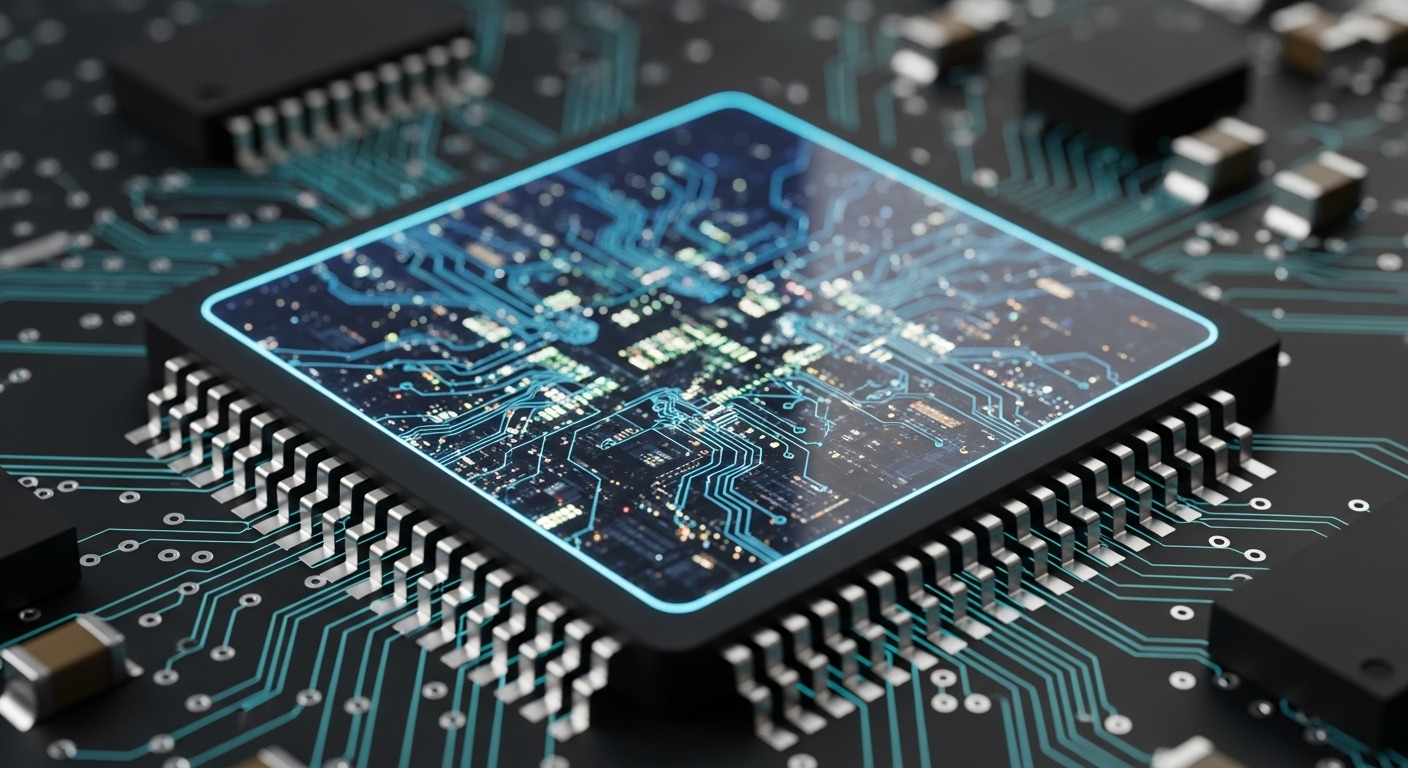
Introduction: Technology as the Backbone of Modern Life
Technology is no longer just an aid—it is an integral part of our daily lives. From communication to transportation, healthcare to entertainment, almost every aspect of human activity is touched by technological innovation. Over the last few decades, technology has evolved at an unprecedented pace, transforming the way we live, work, and think. The digital revolution has created new possibilities, disrupted traditional industries, and redefined human potential. In this blog, we explore the current trends in technology, its impact on society, and the future it promises.
The Evolution of Technology: From Tools to Intelligence
Technology has come a long way since the invention of the wheel and the printing press. Early tools were designed to make human life easier, but today, technology is capable of performing complex tasks, analyzing data, and even simulating human intelligence. The rise of computers marked a turning point, allowing calculations and processes that were previously impossible. Personal computers, smartphones, and high-speed internet became the building blocks of modern technology, making information and connectivity more accessible than ever before.
The evolution of technology is not only about devices; it is also about the way humans interact with them. From command-line interfaces to touchscreens and voice-controlled assistants, the interaction between humans and machines has become more intuitive and seamless. This transformation has set the stage for innovations like artificial intelligence, virtual reality, and cloud computing, which are redefining the boundaries of possibility.
Artificial Intelligence: The New Frontier of Innovation
Artificial intelligence, or AI, has emerged as one of the most transformative forces in technology. AI enables machines to mimic human thinking, learn from data, and make predictions. From self-driving cars to personalized recommendations on streaming platforms, AI is already embedded in our daily lives. In healthcare, AI helps diagnose diseases faster and more accurately. In business, it drives efficiency by automating routine tasks and analyzing complex datasets.
The future potential of AI is immense. Advanced AI systems may soon be capable of understanding emotions, predicting trends with high accuracy, and assisting in creative processes. However, the rise of AI also presents ethical and societal challenges, including job displacement, data privacy, and algorithmic bias. Harnessing AI responsibly will be crucial to ensure that its benefits outweigh potential risks.
Internet of Things: Connecting the World
The Internet of Things, or IoT, is revolutionizing the way devices interact. IoT refers to the network of physical devices connected to the internet, sharing data and enabling smart operations. From smart homes that control lighting and security to industrial sensors that optimize manufacturing processes, IoT is enhancing efficiency and convenience.
Smart cities are another example of IoT’s transformative impact. Traffic systems, energy grids, and public services can now be managed in real-time, improving quality of life and sustainability. While IoT offers tremendous benefits, it also raises concerns about cybersecurity and data privacy, as connected devices generate enormous amounts of personal and sensitive data.
Mobile Technology: Power in Your Pocket
Mobile technology has dramatically changed the way people communicate, work, and access information. Smartphones combine computing power, connectivity, cameras, and apps into a single device, making them essential tools for modern life. Mobile applications have become ecosystems in themselves, allowing people to shop, work, play, learn, and socialize from anywhere in the world.
The expansion of 5G networks is further amplifying the power of mobile technology. High-speed connectivity and low latency will enable innovations such as autonomous vehicles, augmented reality applications, and real-time remote collaboration. As mobile devices continue to evolve, they will remain central to how humans interact with technology.
Cloud Computing: Redefining Data and Collaboration
Cloud computing has transformed the way individuals and businesses store and access data. Instead of relying solely on local servers, cloud systems allow information to be stored remotely and accessed from anywhere with an internet connection. This innovation has enabled collaboration across borders, improved scalability, and reduced costs for businesses.
The cloud also plays a critical role in emerging technologies like AI and big data analytics. By providing flexible computing power and storage, cloud systems make it possible to process vast amounts of data efficiently. For individuals, cloud services offer convenience, allowing access to documents, photos, and media without the need for bulky hardware.
Robotics and Automation: Machines Enhancing Human Productivity
Robotics and automation have transformed industries ranging from manufacturing to healthcare. Industrial robots perform repetitive tasks with precision, improving efficiency and reducing errors. In healthcare, surgical robots assist doctors in performing complex procedures, while service robots provide support in hospitals and homes.
Automation is also reshaping workplaces by handling routine tasks, allowing humans to focus on creativity, strategy, and decision-making. The integration of robotics with AI is creating intelligent systems capable of adapting to new challenges, enhancing productivity and innovation across multiple sectors.
Virtual Reality and Augmented Reality: New Dimensions of Experience
Virtual reality (VR) and augmented reality (AR) are changing how we interact with digital content. VR immerses users in entirely digital environments, while AR overlays digital elements onto the real world. These technologies are not only transforming gaming and entertainment but also education, training, healthcare, and design.
For example, VR can simulate complex surgical procedures for medical students, while AR applications can help engineers visualize and modify machinery in real-time. As VR and AR technologies become more accessible, they will redefine learning, work, and entertainment by creating interactive and immersive experiences.
Cybersecurity: Protecting the Digital Ecosystem
As technology advances, so do the risks associated with it. Cybersecurity has become a critical priority for individuals, businesses, and governments. Threats such as hacking, ransomware, and identity theft pose significant challenges in a connected world. Protecting digital assets requires robust security measures, including encryption, multi-factor authentication, and constant monitoring.
Cybersecurity is not only about technology but also about awareness. Users must practice safe online habits, and organizations must invest in education and training to prevent breaches. As the digital landscape evolves, cybersecurity will remain a cornerstone of technological progress.
The Role of Technology in Healthcare
Technology is revolutionizing healthcare by improving diagnosis, treatment, and patient care. AI-powered tools analyze medical images, predict patient outcomes, and suggest personalized treatment plans. Telemedicine allows patients to consult doctors remotely, expanding access to healthcare for people in remote areas. Wearable devices monitor vital signs and help individuals manage chronic conditions more effectively.
The integration of technology in healthcare is creating a more proactive and preventive approach, enabling early detection of diseases and improved overall health outcomes. As innovations continue, healthcare will become more personalized, efficient, and accessible.
Technology and Education: Learning in the Digital Age
Education has been profoundly transformed by technology. Digital classrooms, online courses, and educational apps have made learning more flexible and accessible. Students can now access global resources, collaborate virtually, and engage in interactive simulations that enhance understanding.
Artificial intelligence is also being used to personalize learning experiences. Adaptive learning platforms assess student performance and adjust content to suit individual needs. Technology is fostering creativity, critical thinking, and problem-solving skills, preparing learners for a future where digital literacy is essential.