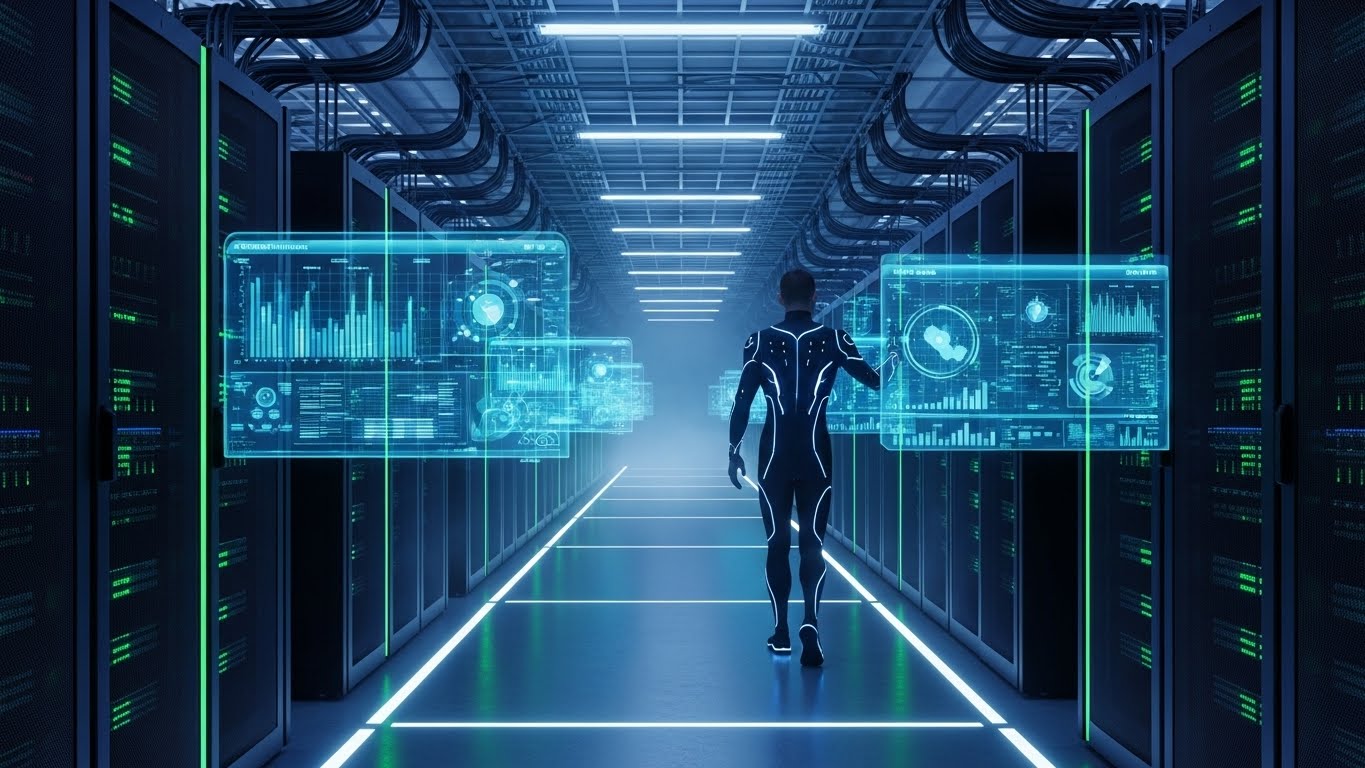

Introduction: A World Powered by Innovation
Technology has become the backbone of modern civilization. It shapes how we communicate, work, learn, create, and even relax. From the moment we wake up to the notifications on our smartphones to the smart devices that assist us throughout the day, technology influences nearly every aspect of our daily lives. What makes tech so fascinating is its unstoppable growth and its ability to open new possibilities. The last decade alone has seen rapid advancements that have redefined entire industries. As innovation accelerates, the world stands on the edge of a future that is more connected, intelligent, and transformative than ever before.
The Evolution of Technology: From Basic Tools to Digital Intelligence
Technology has not always been about smartphones and artificial intelligence. Its roots stretch back to the earliest human civilizations, where tools were created to boost survival and efficiency. Over thousands of years, humans invented the wheel, the printing press, electricity, telecommunication, and the internet. Each innovation sparked a revolution, propelling society toward new heights.
The modern digital revolution began with the development of computers. In the early days, computers were massive machines used mainly by governments and researchers. But as they became smaller, faster, and more affordable, they transformed into essential household tools. The rise of personal computers and the internet set the stage for today’s tech-driven world, where information is accessible instantly and communication has no borders. Technology has transformed from a luxury to a necessity, paving the way for groundbreaking innovations like cloud computing, wearable tech, and smart devices.
Artificial Intelligence: The Brain of the Future
Artificial intelligence, often abbreviated as AI, stands at the forefront of modern technological innovation. It allows machines to mimic human decision-making, solve problems, learn from data, and even predict outcomes. AI is now used in nearly every industry. Healthcare leverages AI to detect diseases faster. Finance uses algorithms to analyze market trends. Even everyday applications like voice assistants and content recommendations rely on AI.
The true power of artificial intelligence lies in its potential. As AI systems continue to learn and improve, they can automate complex tasks, support human creativity, and enhance productivity. However, the rise of AI also comes with questions about ethics, transparency, and job transformation. While AI will replace certain repetitive tasks, it also has the capability to create new career opportunities and unlock unexplored fields of innovation. The key is understanding how to use AI responsibly to benefit society while minimizing risks.
The Rise of Smart Devices and the Internet of Things
The modern world is filled with devices that can communicate with each other. This interconnectedness is known as the Internet of Things, often shortened to IoT. Smart thermostats, smartwatches, fitness trackers, and home assistants have become common, making everyday tasks easier and more efficient.
IoT has also revolutionized industries on a larger scale. Smart factories use automated machines to improve production. Smart cities deploy sensors to manage traffic, reduce energy use, and improve public safety. At home, IoT simplifies life by allowing people to remotely control lighting, security systems, and appliances.
As IoT expands, security becomes a major focus. With millions of devices connected, protecting user data remains one of the biggest challenges. However, advancements in cybersecurity and encryption are steadily enhancing the safety of connected ecosystems.
Mobile Technology: Pocket-Sized Power
Mobile devices have transformed the tech landscape dramatically. What began as simple communication tools has evolved into powerful handheld computers capable of performing almost any digital task. Today’s smartphones combine cameras, navigation systems, entertainment platforms, and productivity tools in one compact device.
The rise of mobile apps has further fueled this transformation. Apps have become mini-ecosystems that allow people to shop, learn, play games, manage finances, and communicate instantly. Mobile technology has opened the door to new industries such as mobile gaming, mobile banking, and remote work solutions.
As mobile devices become even more powerful with improved processors, enhanced cameras, and new connectivity standards, the future promises a world where mobile technology remains at the center of digital innovation.
The Future of Work in a Tech-Driven Era
Technology has reshaped the modern workplace. Remote work, once considered rare, is now a standard option thanks to video conferencing platforms, collaboration tools, and cloud computing. Companies can operate globally, hiring talent from anywhere in the world. This flexibility benefits both employers and employees, making work environments more adaptable and productive.
Automation and AI have also changed how businesses operate. Repetitive and manual tasks are increasingly handled by machines, allowing humans to focus on creativity, strategy, and problem-solving. The jobs of the future will require digital literacy, adaptability, and a willingness to learn new skills continuously.
The workplace will likely evolve even further, incorporating virtual reality for training, AI for decision support, and robotics for industrial work. The key to thriving in this new era is embracing technology as a partner rather than a threat.
Cloud Computing: A New Way to Store and Access Information
Cloud computing has revolutionized how individuals and businesses store, access, and manage data. Instead of relying solely on physical hardware, users can store information on remote servers and access it from anywhere with an internet connection. This has opened up new possibilities for collaboration, efficiency, and data management.
For businesses, cloud computing reduces costs, increases scalability, and improves security. For individuals, it offers convenience, allowing them to save photos, documents, and media without worrying about running out of space. The cloud has also enabled services like online gaming, streaming platforms, and virtual workspaces.
As cloud technology becomes more advanced, it will continue to drive innovation in areas such as artificial intelligence, data analytics, and global communication.
Cybersecurity: Protecting the Digital World
As technology grows, so does the importance of protecting digital information. Cybersecurity has become one of the most essential fields in tech. With online activities increasing, cyber threats such as data breaches, hacking attempts, and identity theft have become more common.
Modern cybersecurity focuses on encryption, authentication, firewalls, and threat detection to safeguard data. Businesses invest heavily in cybersecurity systems to protect their customers and operations. Individuals also play an important role by maintaining strong passwords, using secure networks, and being cautious of suspicious activities online.
As digital systems become more advanced, cybersecurity will continue to evolve, strengthening defenses and ensuring the safety of sensitive information in a connected world.
Robotics and Automation: Machines That Shape Society
Robotics has moved beyond factories and into everyday life. Robots are now used in healthcare, agriculture, construction, and even households. Automation allows industries to work faster and more efficiently, reducing human error and increasing productivity.
In healthcare, robots assist in surgeries, perform repetitive tasks, and help care for elderly patients. In agriculture, automated machines harvest crops and monitor soil quality. In households, robotic vacuum cleaners and kitchen assistants simplify daily routines.
As robotics advances, it raises important questions about the balance between automation and human employment. However, history shows that technological revolutions create new opportunities even as they transform old ones. The future will likely see humans and robots working together in harmony, each complementing the other’s strengths.
Virtual Reality and Augmented Reality: Experiences Beyond Imagination
Virtual reality and augmented reality are redefining entertainment, education, and communication. VR transports users into digital worlds where they can explore, learn, and play. AR overlays digital elements onto the real world, enhancing the way users interact with their surroundings.
These technologies have potential far beyond gaming. Schools use VR to teach history, science, and geography through immersive lessons. Businesses use AR for design, training, and product visualization. Medical professionals use VR simulations to practice surgeries without risks.
As these technologies become more affordable and advanced, they will reshape how people learn, work, and experience the world.
The Environmental Impact of Technology
While technology brings innovation, it also poses environmental challenges. Electronic waste, energy consumption, and pollution are concerns that the tech industry must address. Thankfully, many companies are turning toward sustainable practices such as recycling programs, energy-efficient devices, and renewable energy sources.
Green technology is on the rise, focusing on reducing carbon footprints and promoting eco-friendly design. Solar panels, electric vehicles, and smart energy systems are examples of how tech can contribute to a cleaner and greener planet. The future of tech will likely place even more emphasis on sustainability and environmental responsibility.
The Future of Technology: Endless Possibilities
Looking ahead, the future of technology is filled with endless potential. Artificial intelligence will become more intuitive. Smart cities will become more efficient. Healthcare will become more personalized. Education will become more interactive and globally accessible. The boundaries between the physical and digital worlds will continue to blur, creating new opportunities for innovation.
The tech frontier is expanding each day, promising a world where convenience, creativity, and connectivity reach unprecedented levels. The key to navigating this future is staying informed, adaptable, and open to change.
Conclusion: Embracing the Tech-Driven Future
Technology has become an inseparable part of human progress. It simplifies life, connects people, transforms industries, and unlocks new possibilities. As innovation continues to accelerate, society stands on the edge of a future filled with promise. Embracing technology not only enhances daily life but also opens doors to experiences, careers, and opportunities once thought impossible.
The tech frontier is vast, dynamic, and full of potential. By understanding its impact and possibilities, we can step confidently into the future and harness the power of innovation to shape a better world for generations to come.